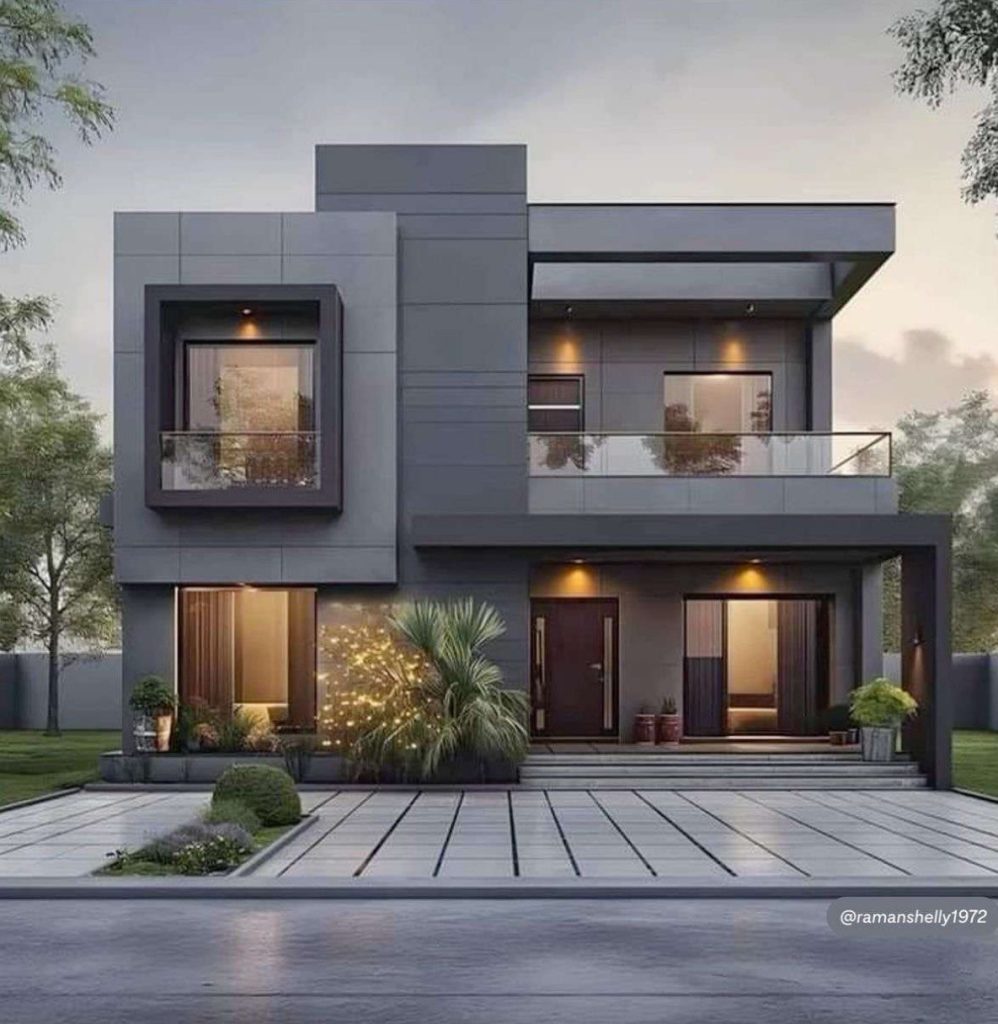
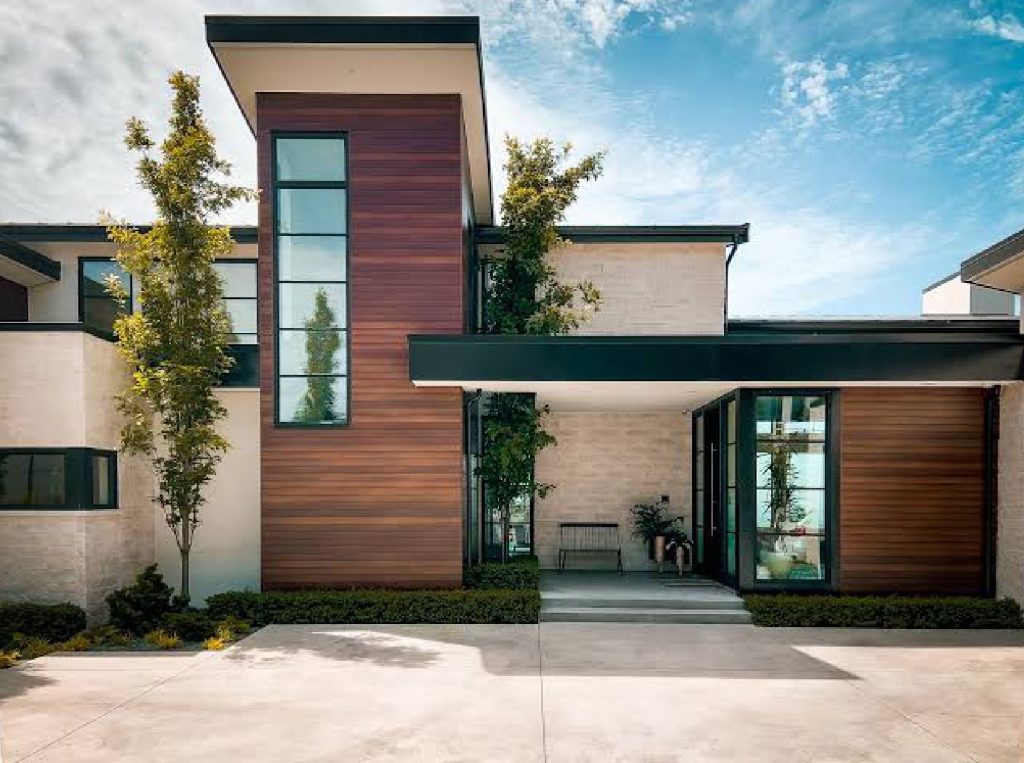
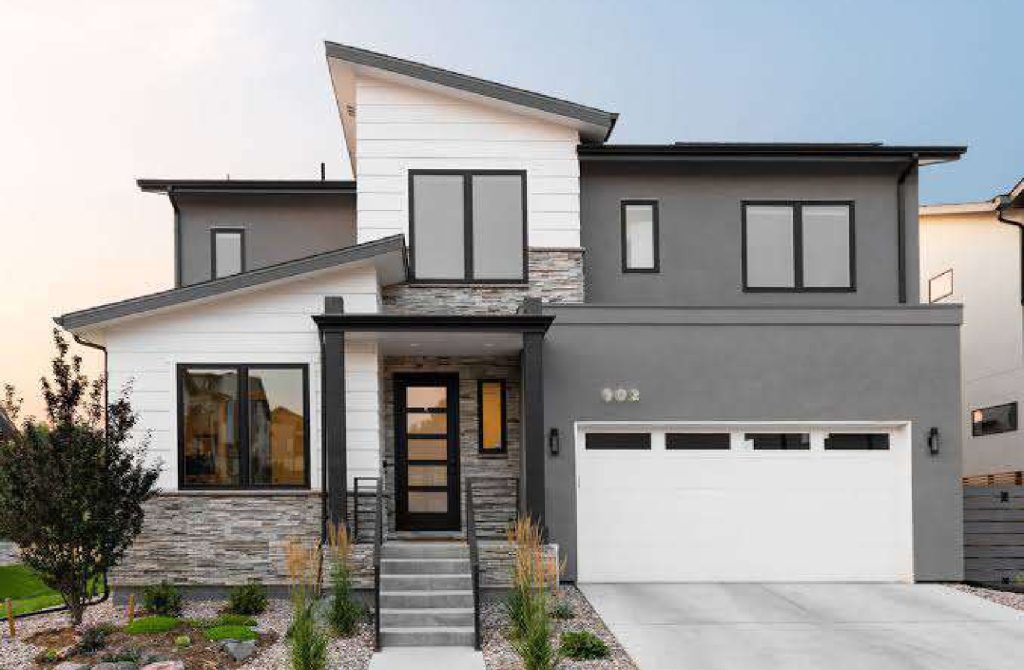
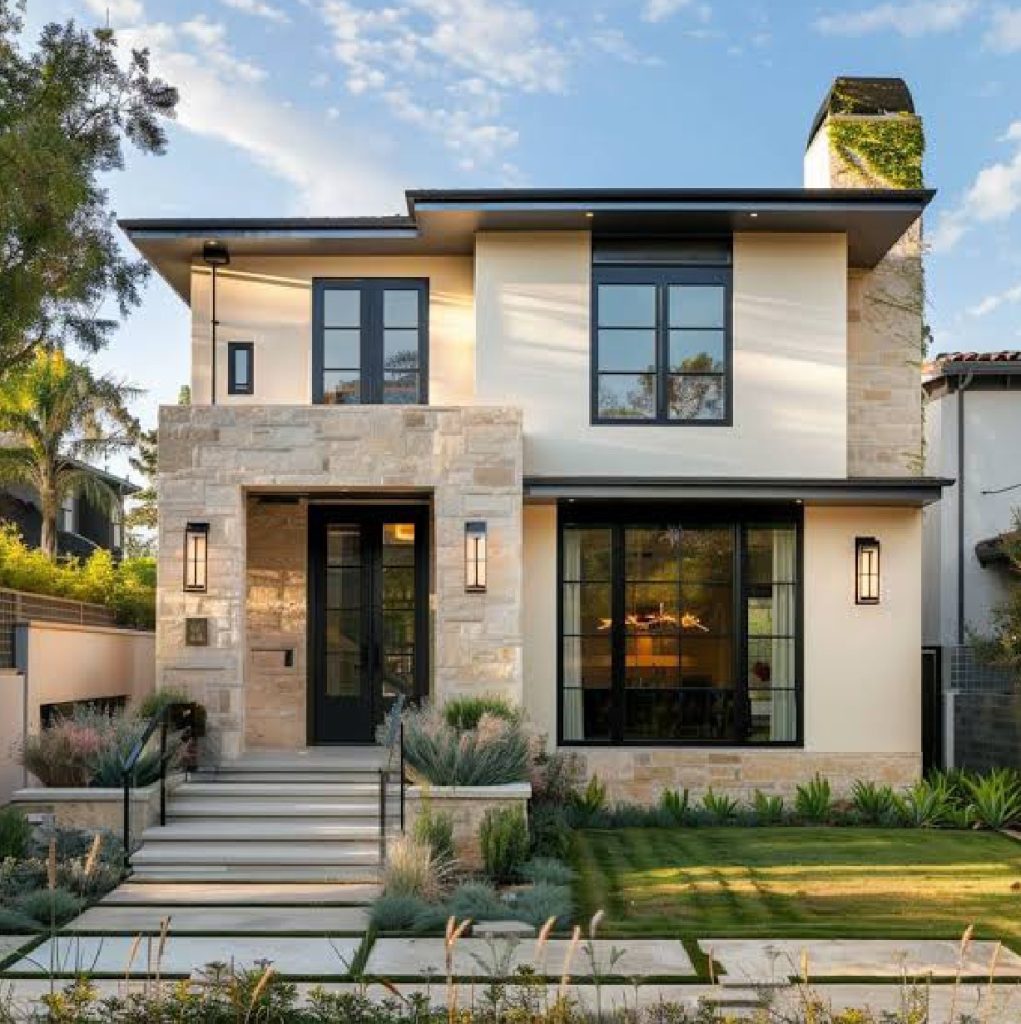
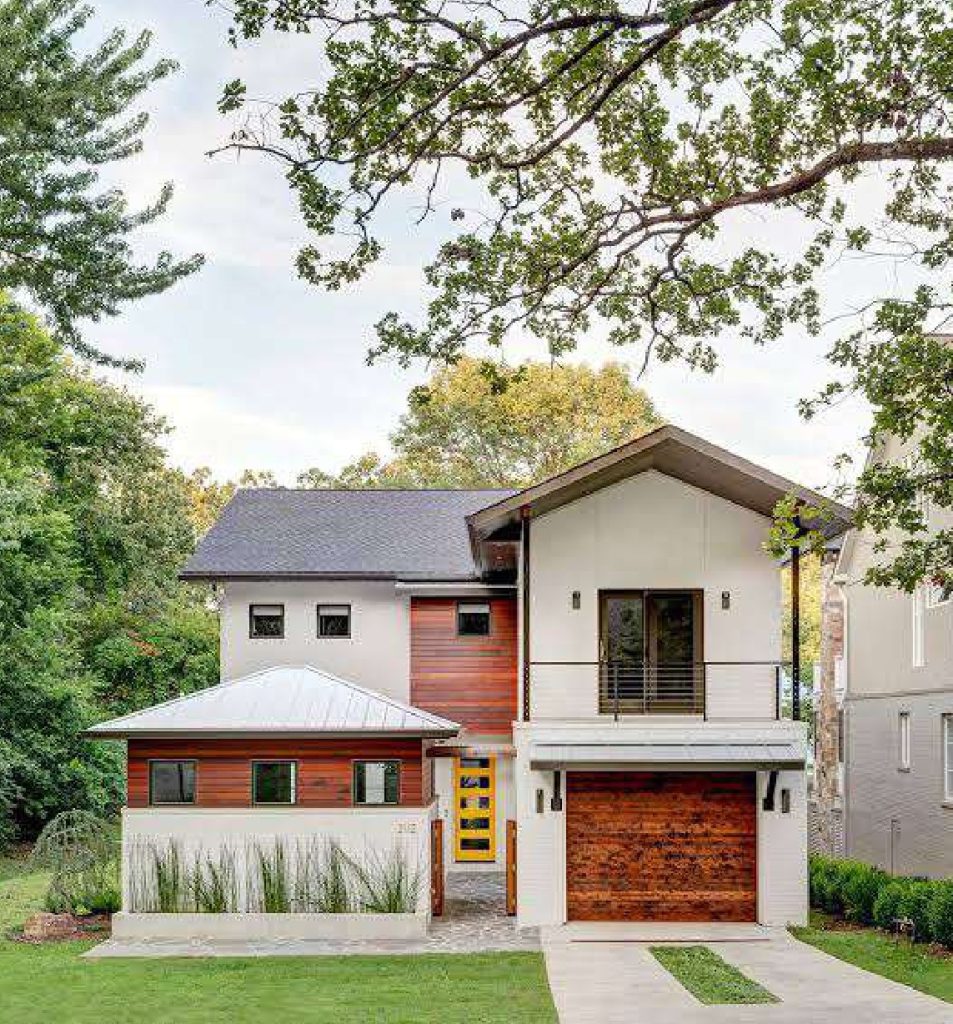
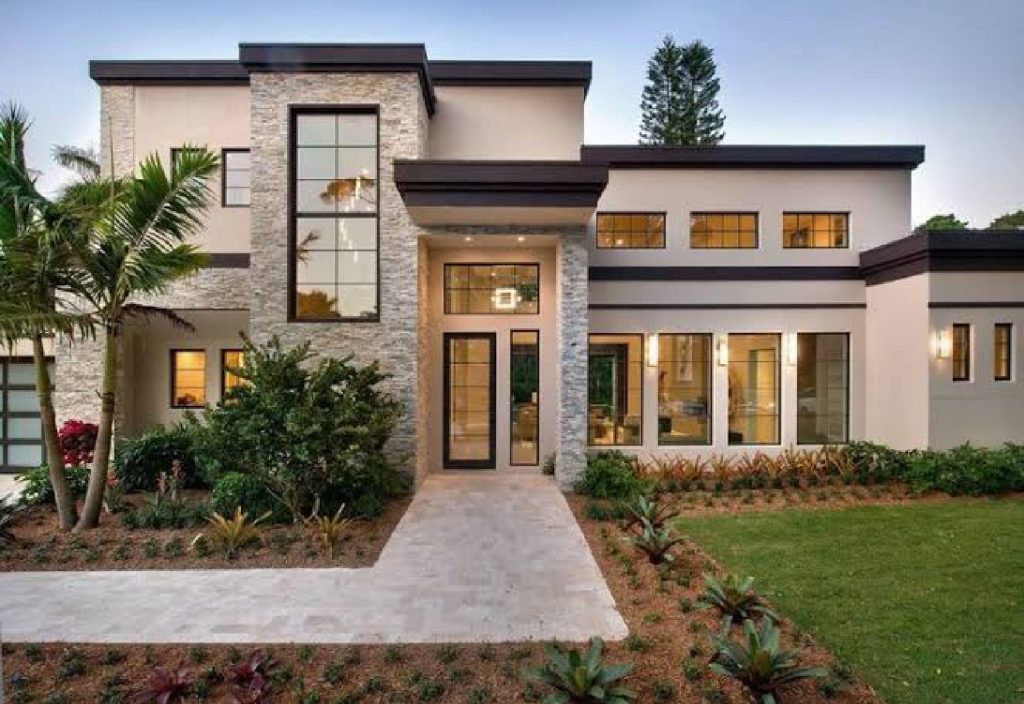
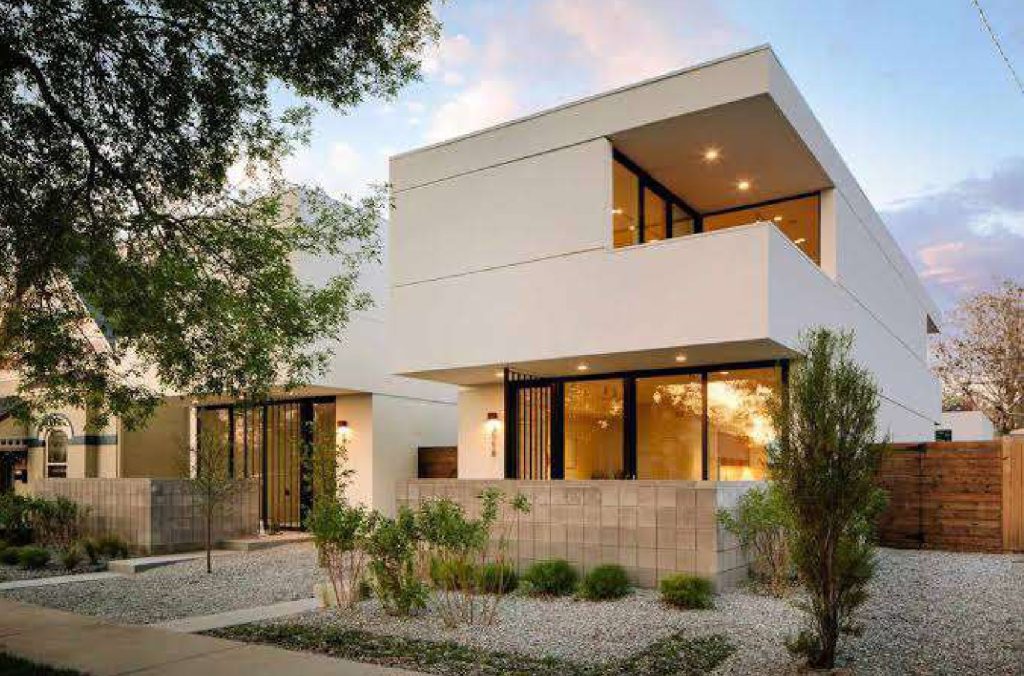
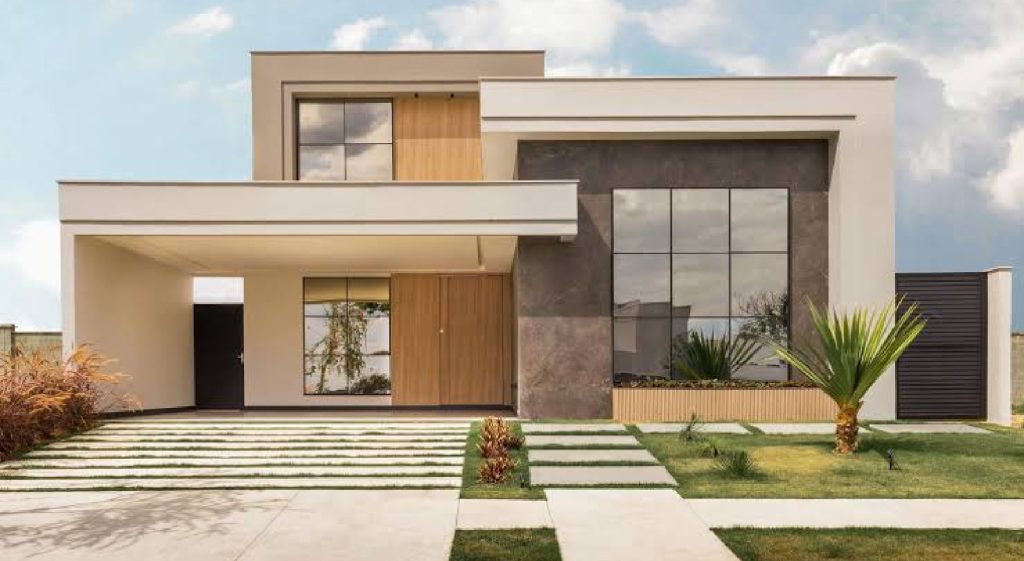
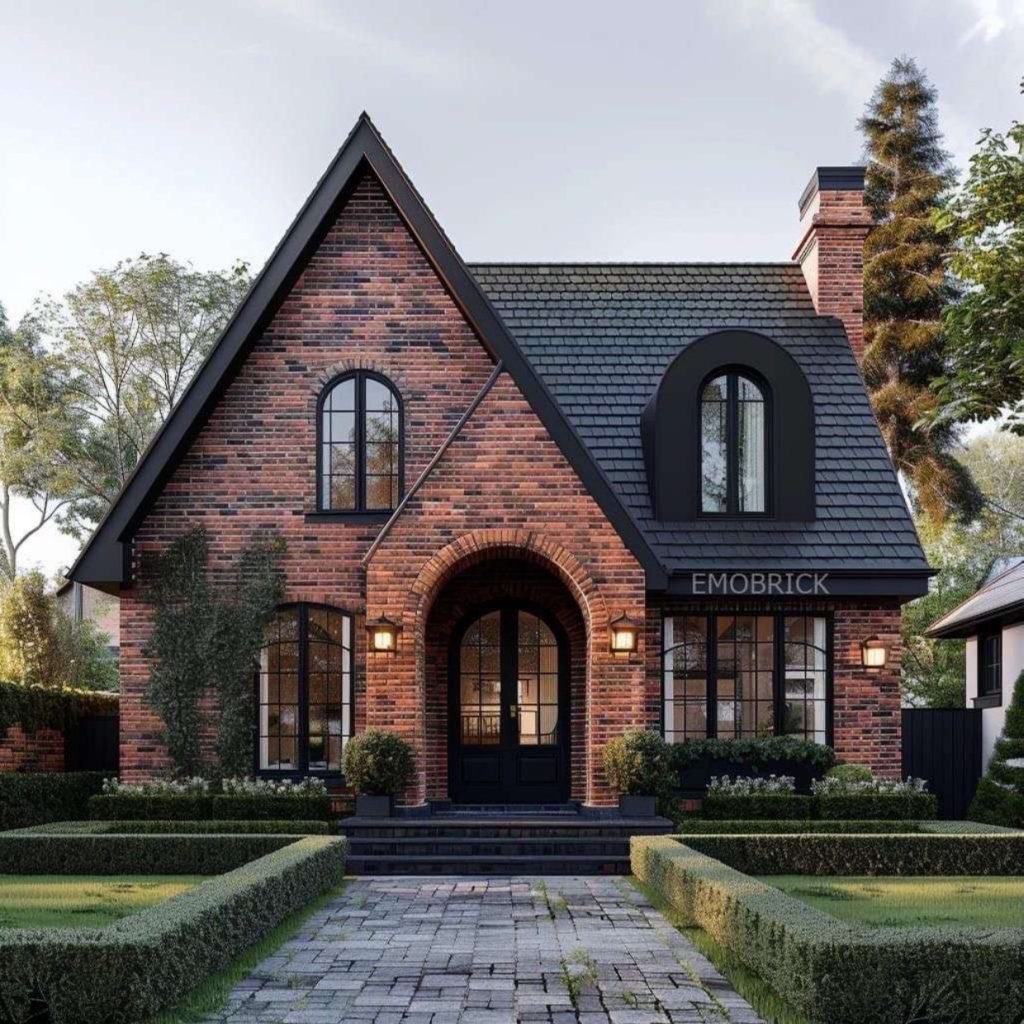
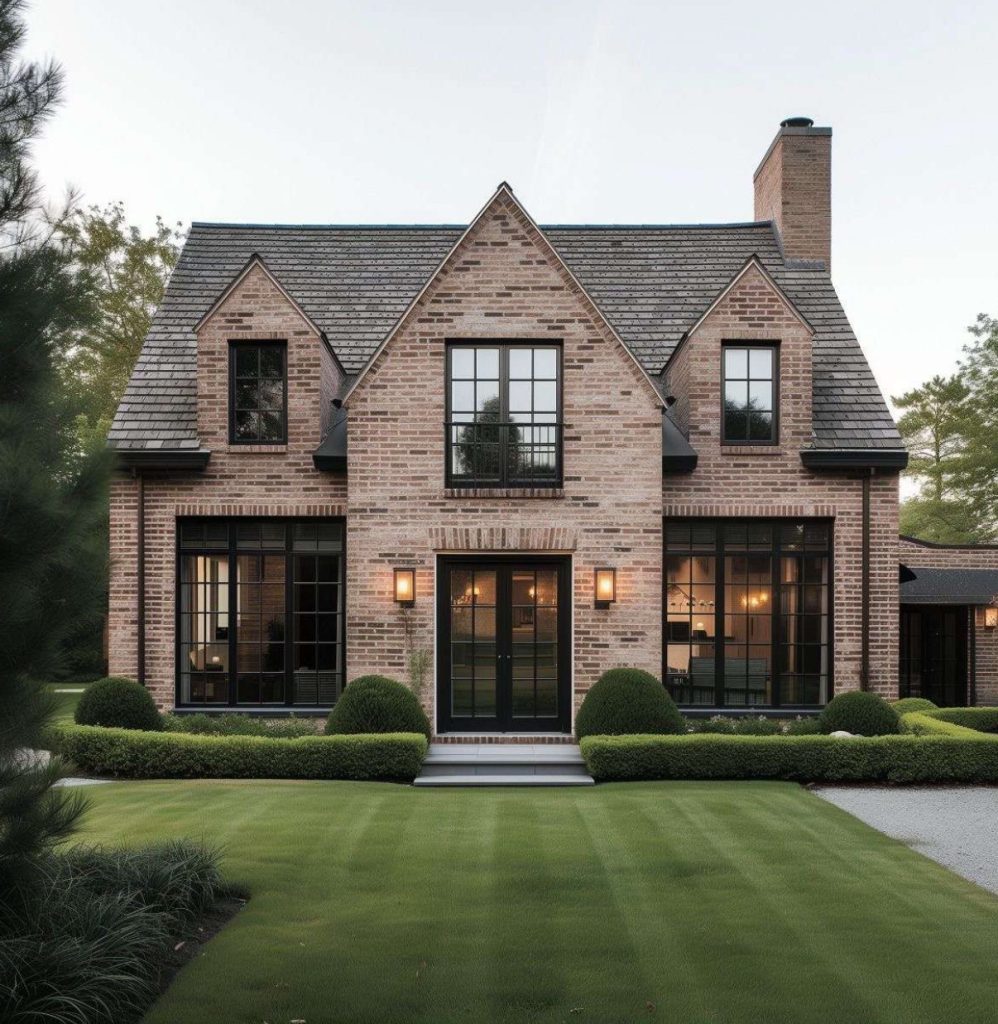
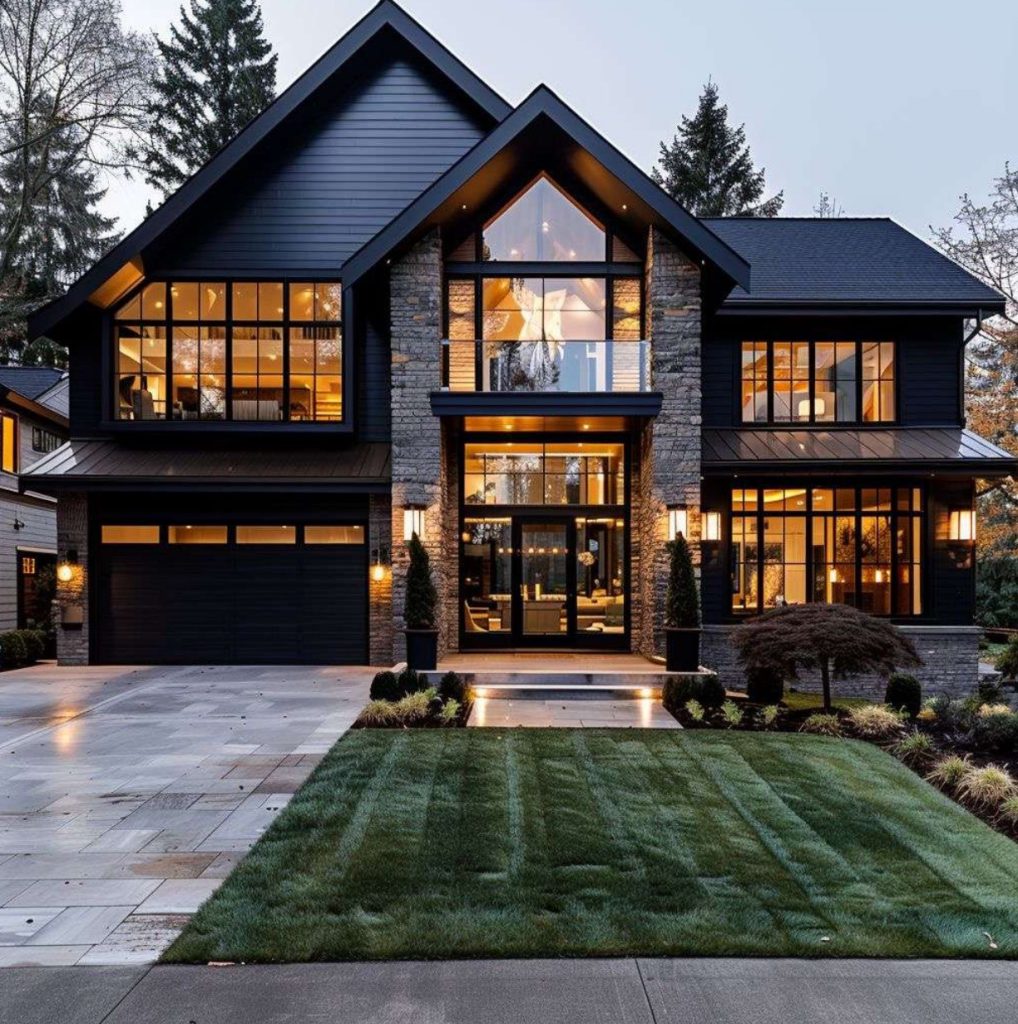
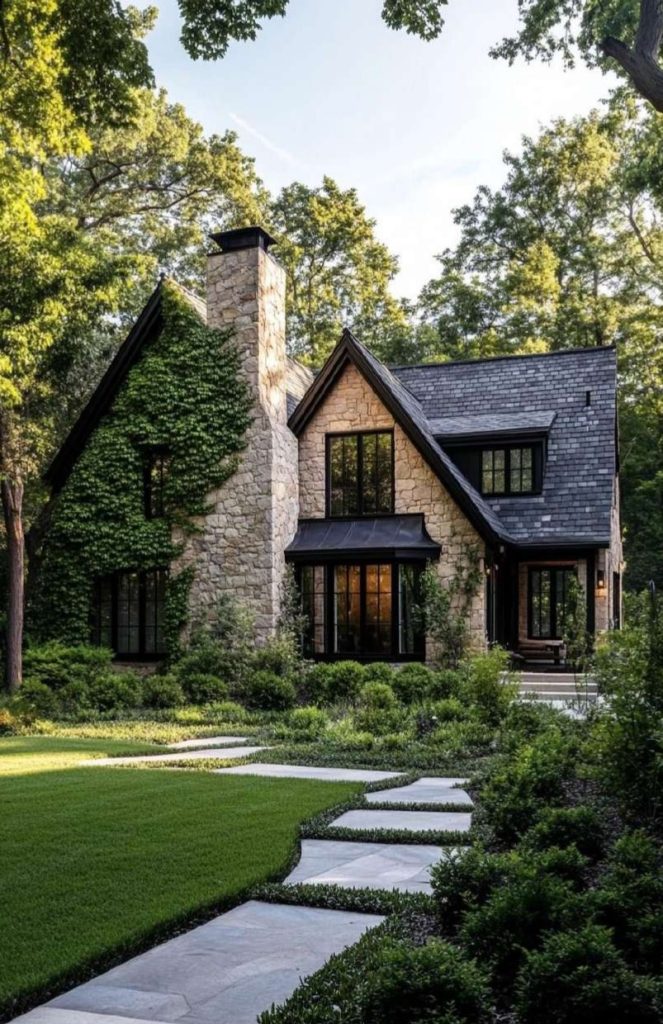
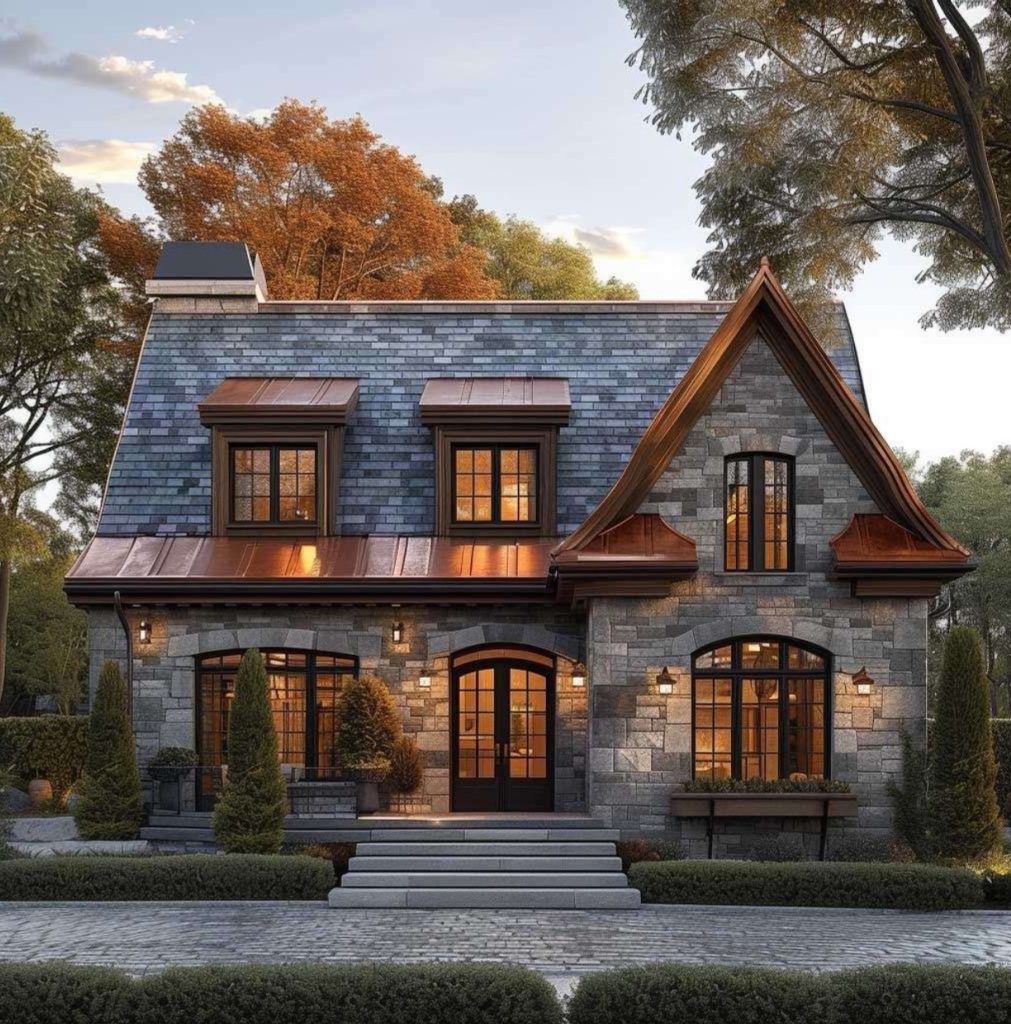
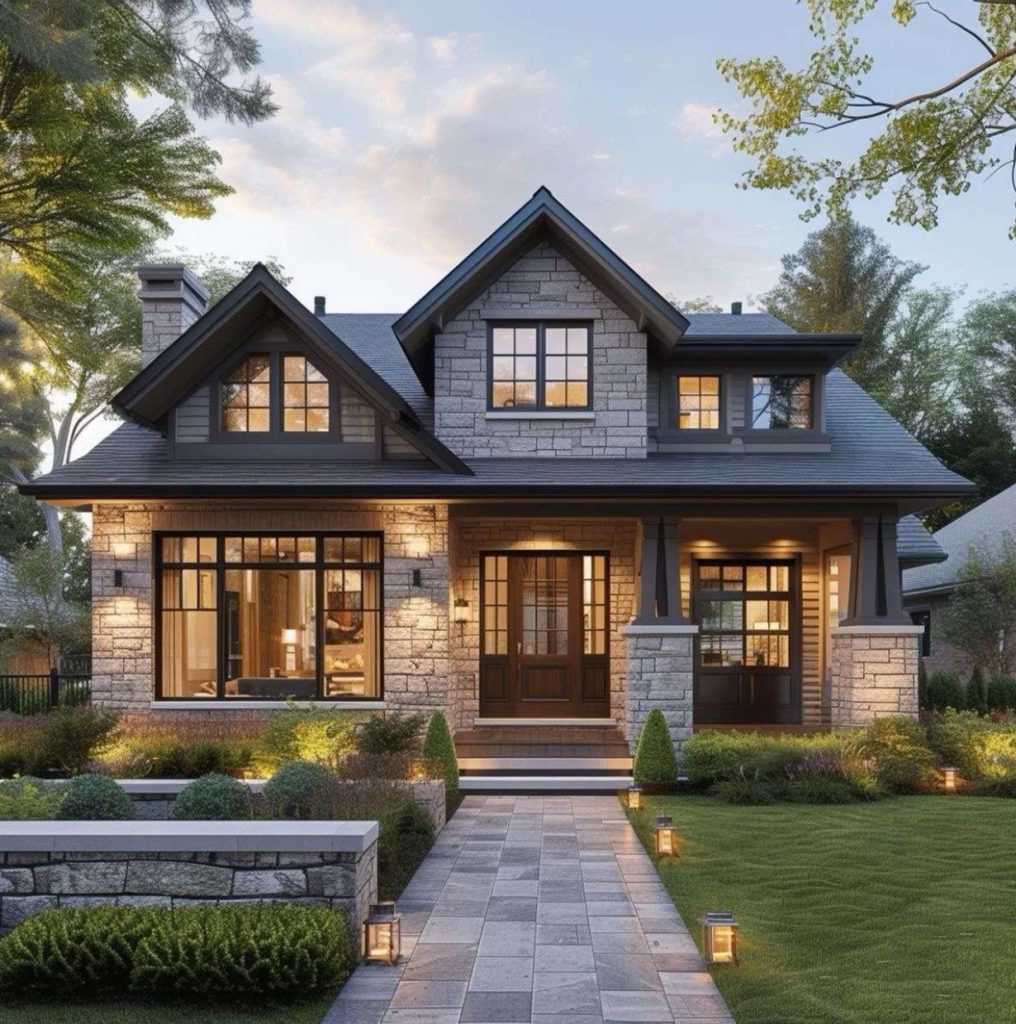
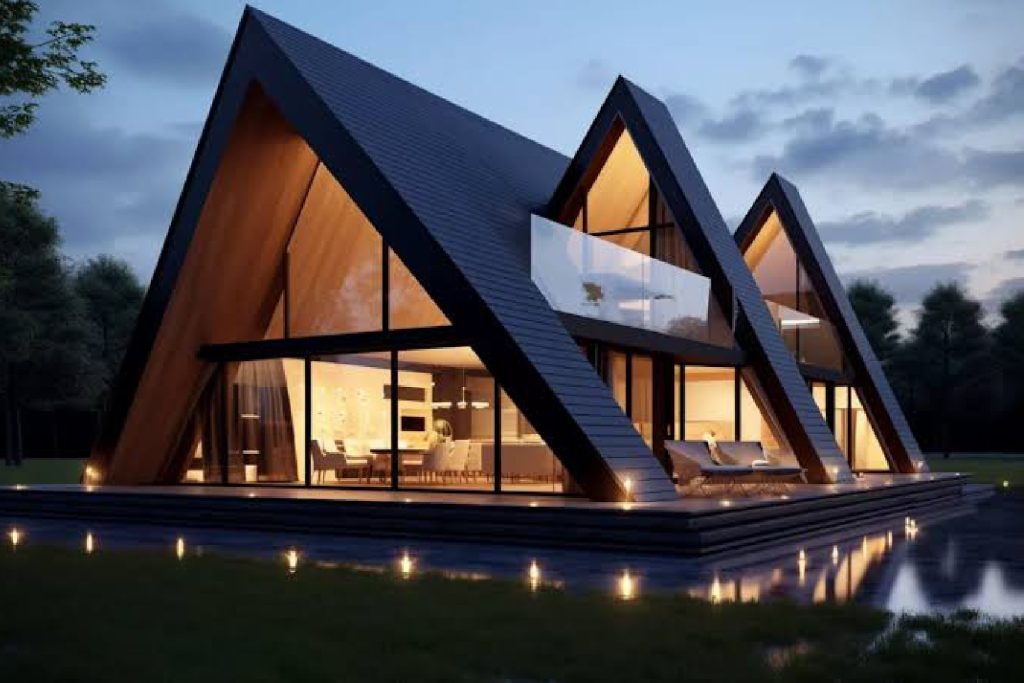
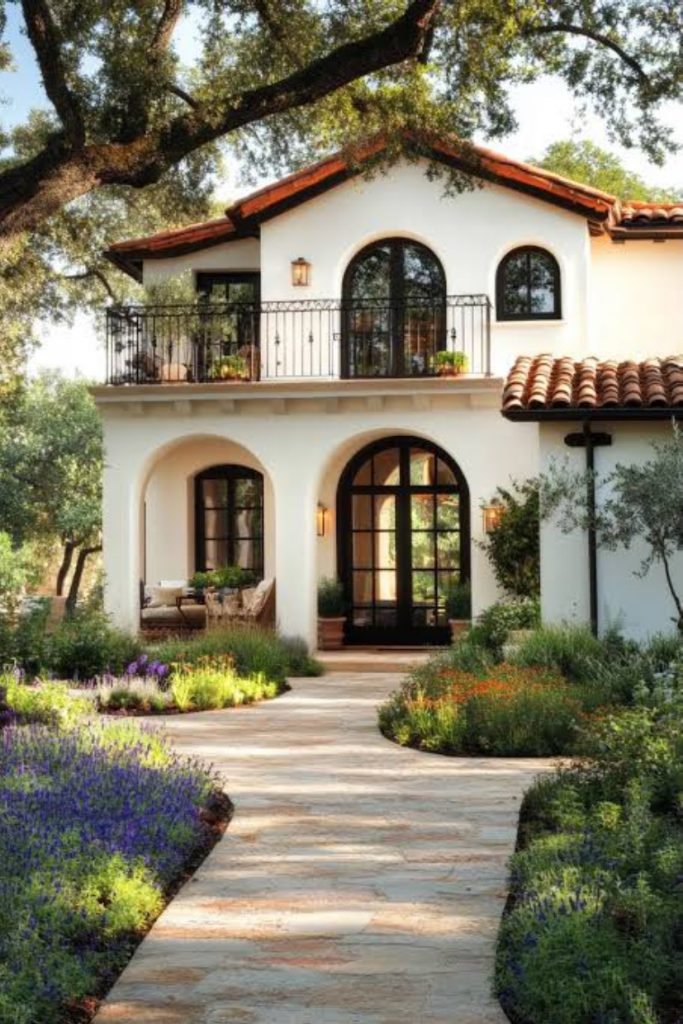
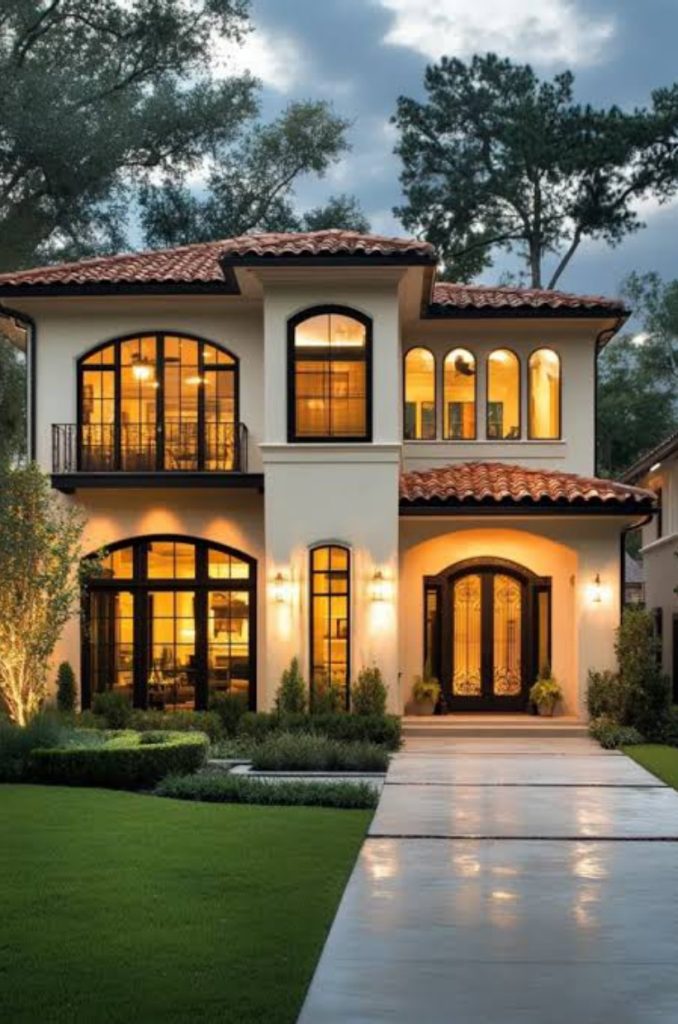
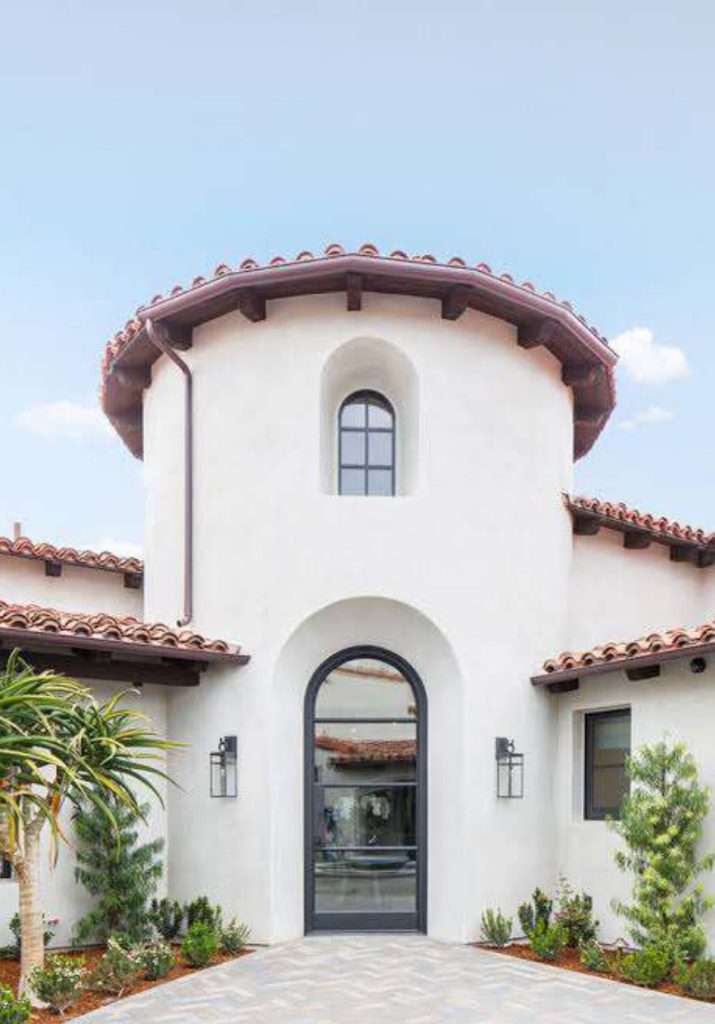
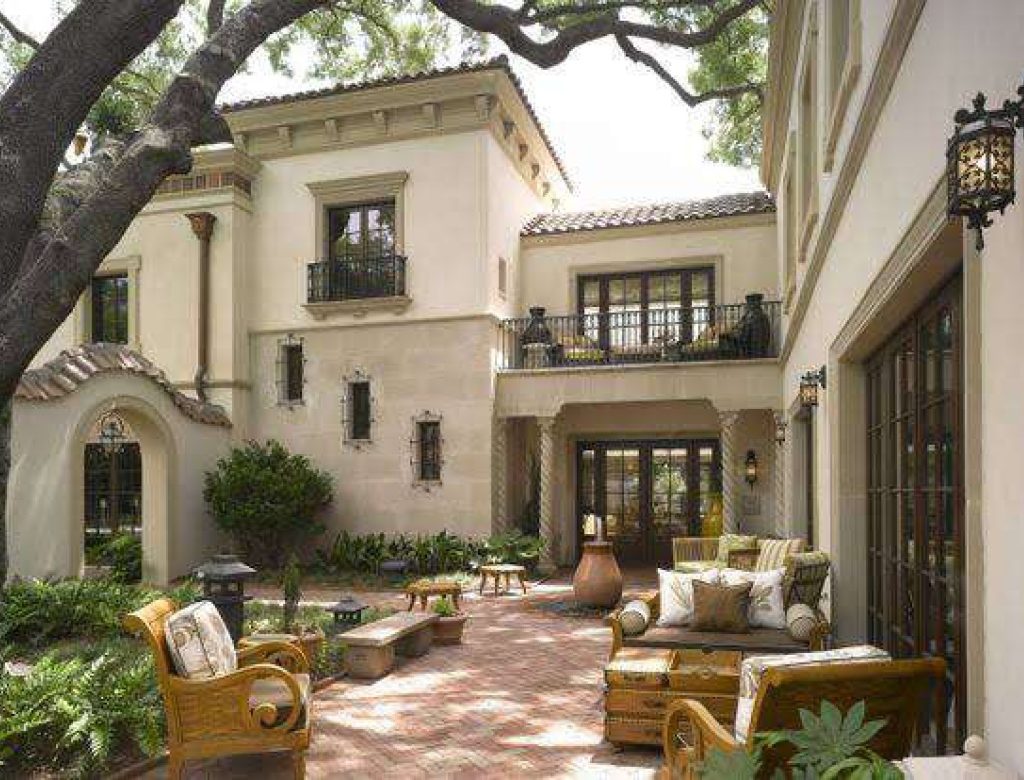
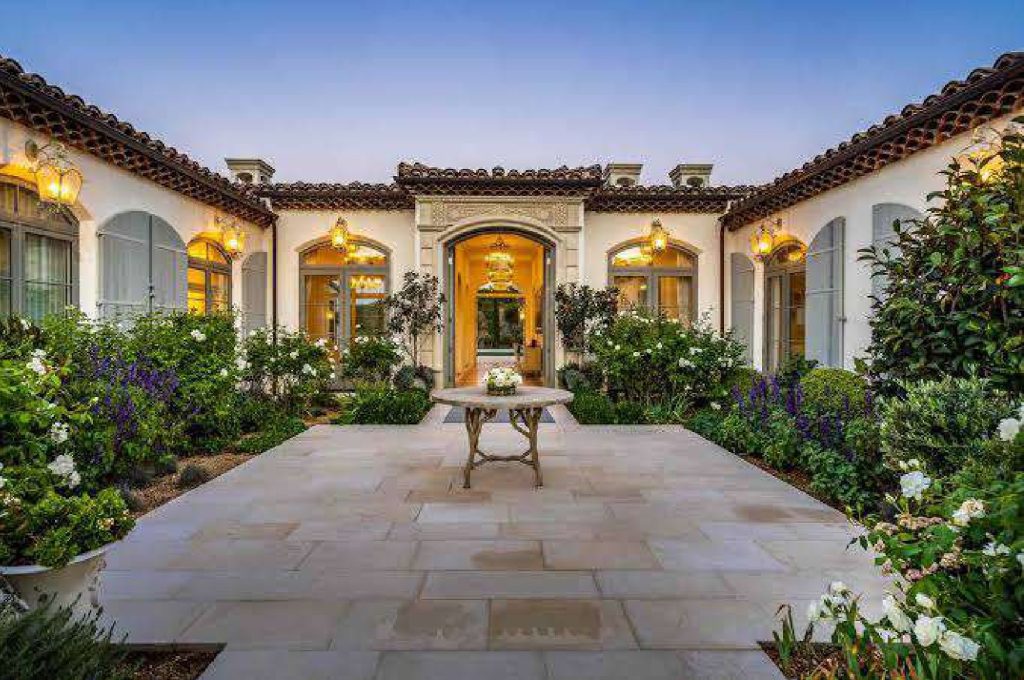
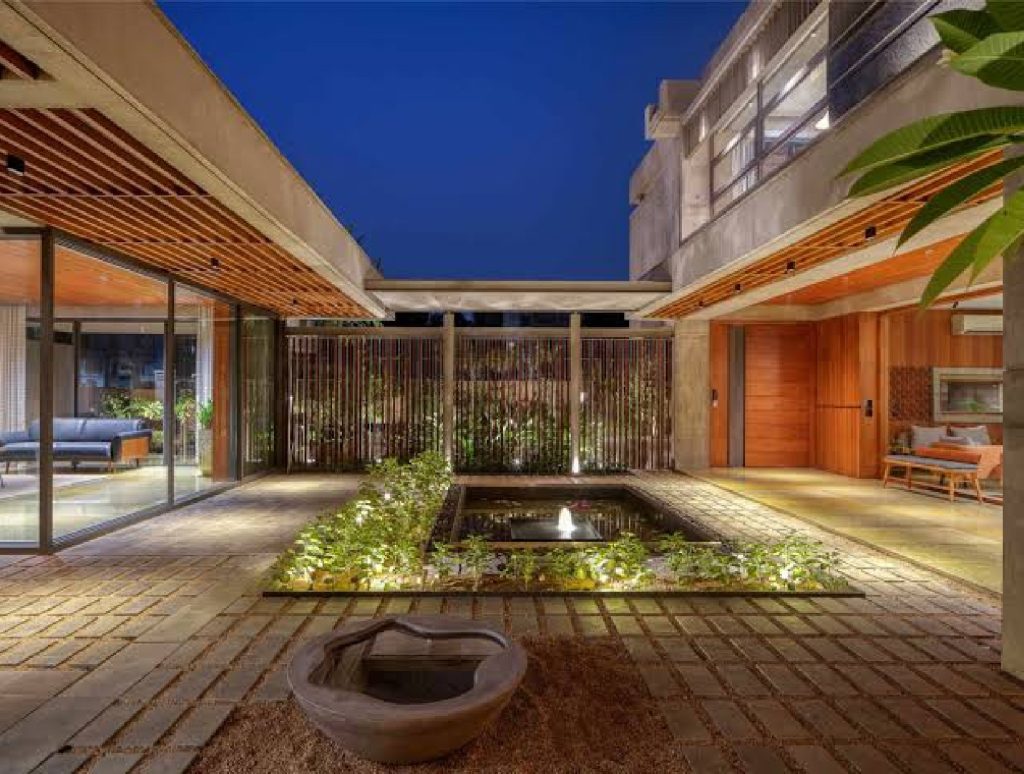
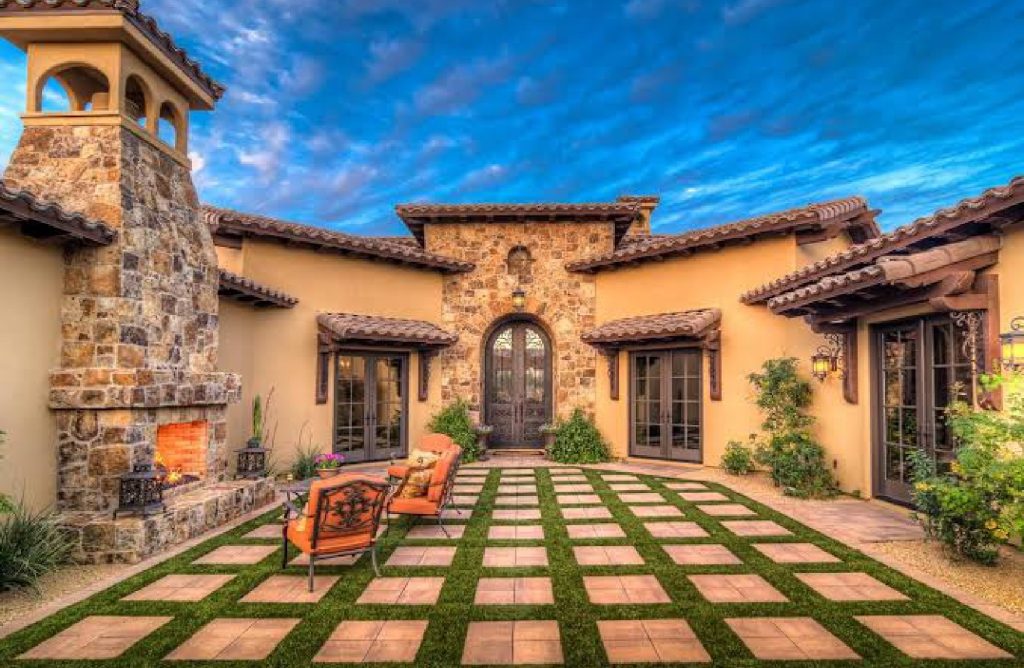
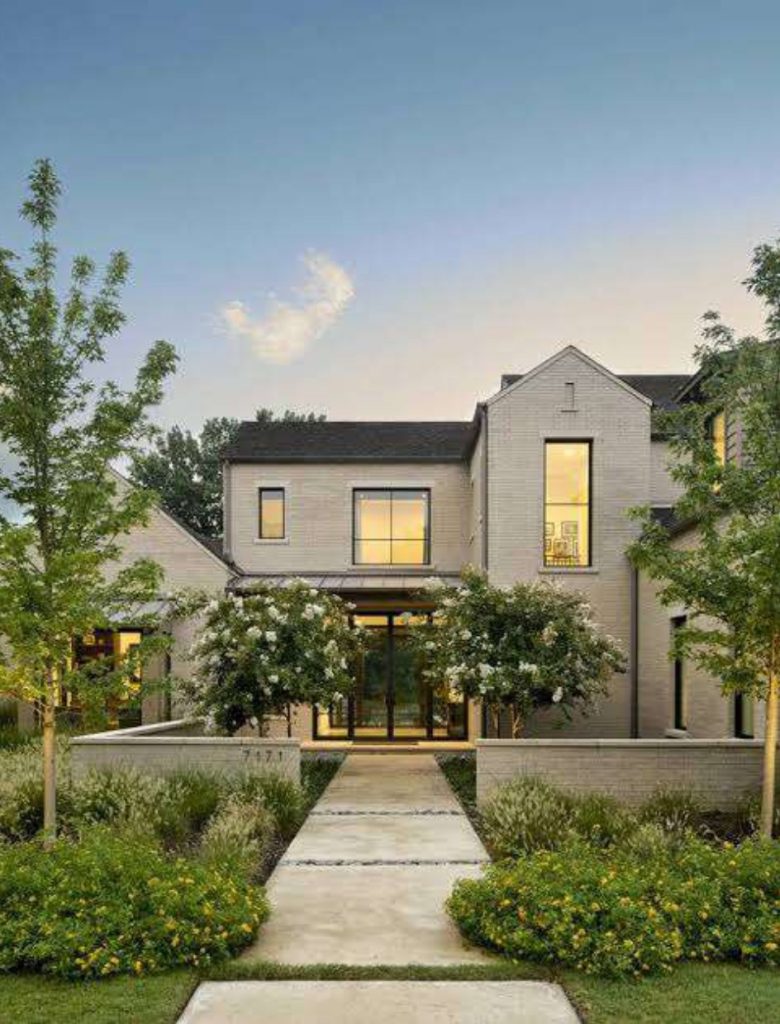
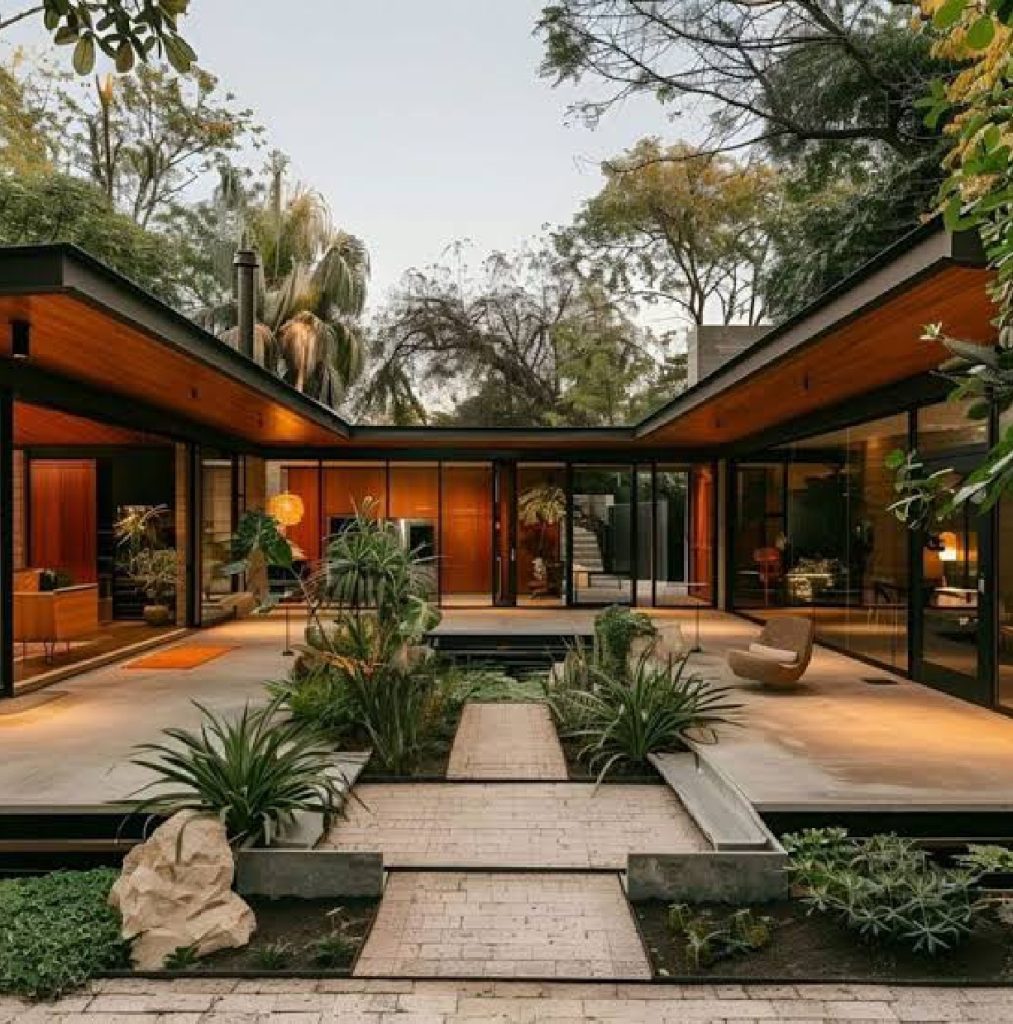
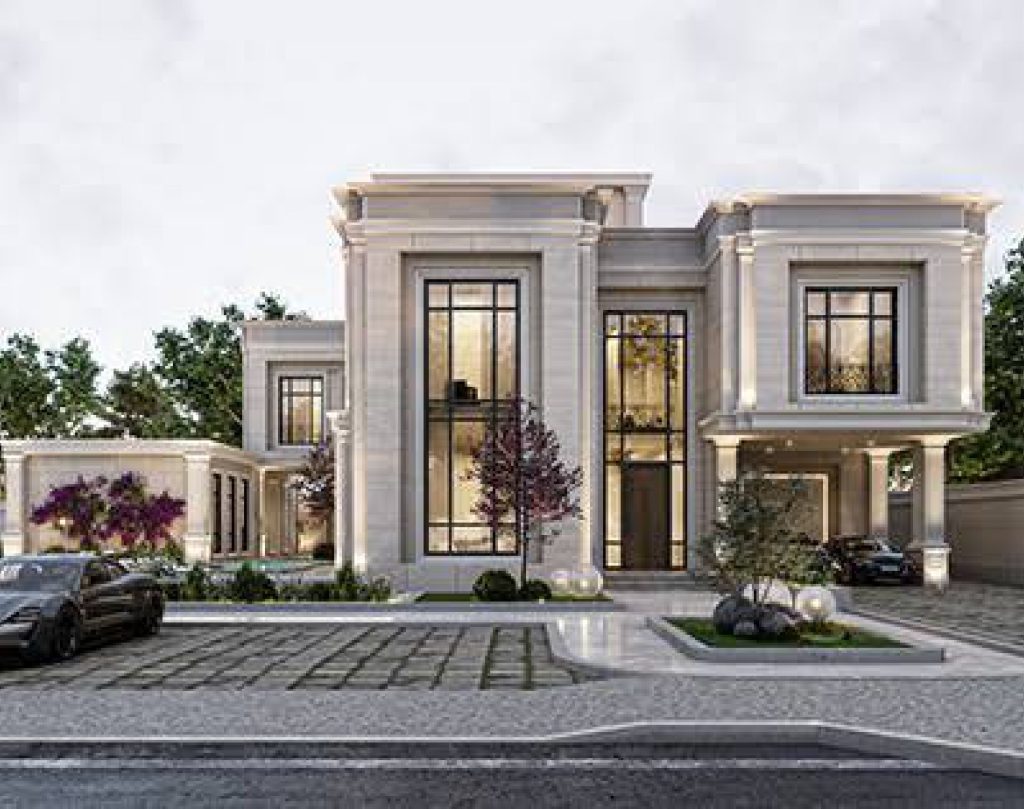
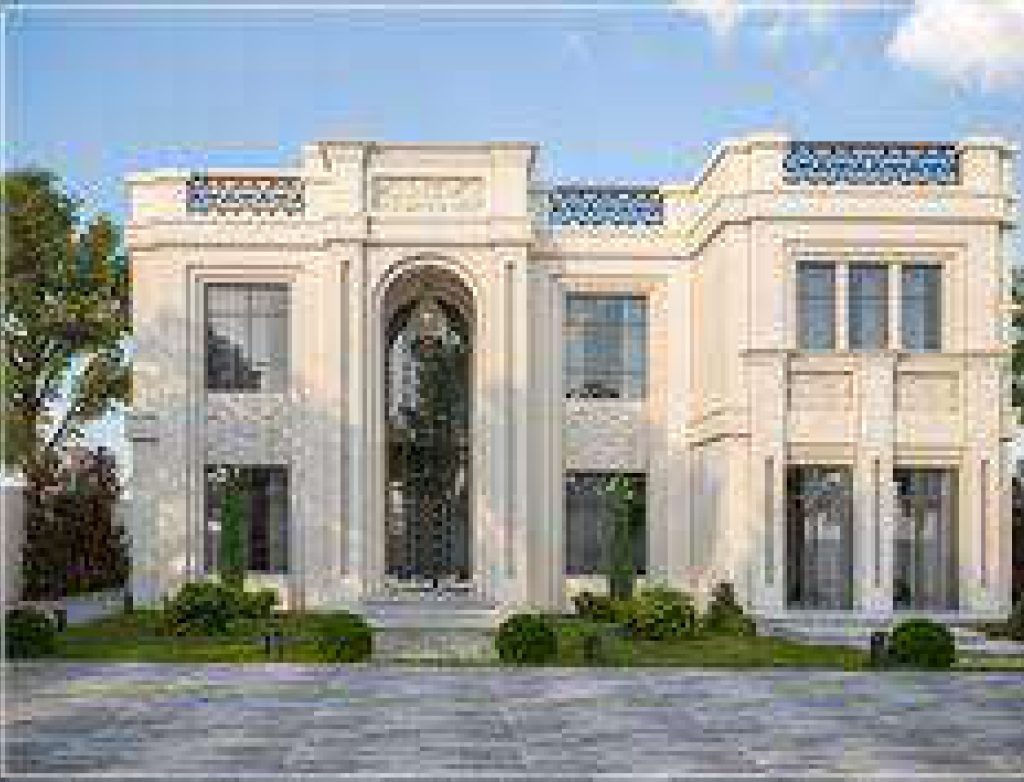
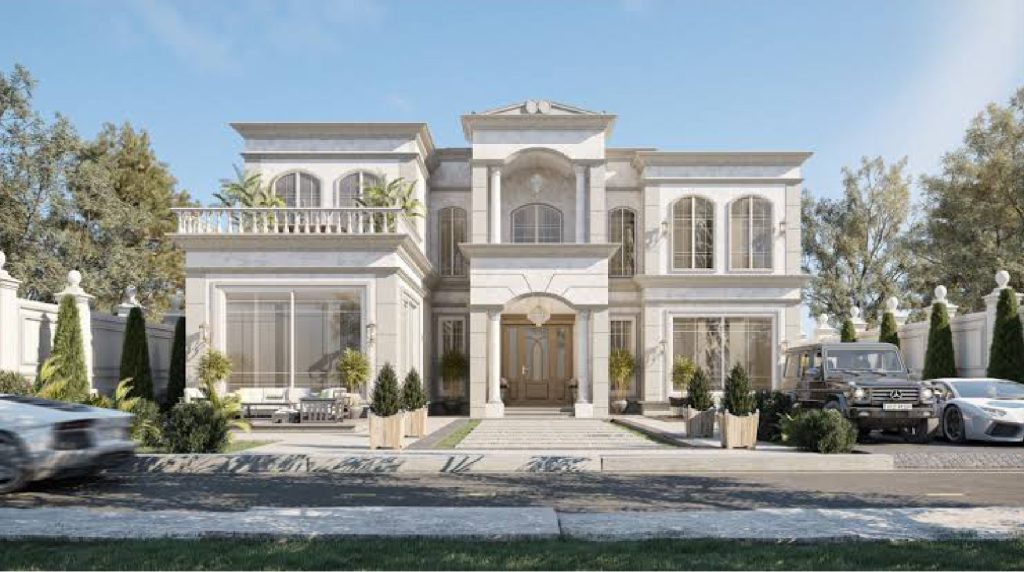
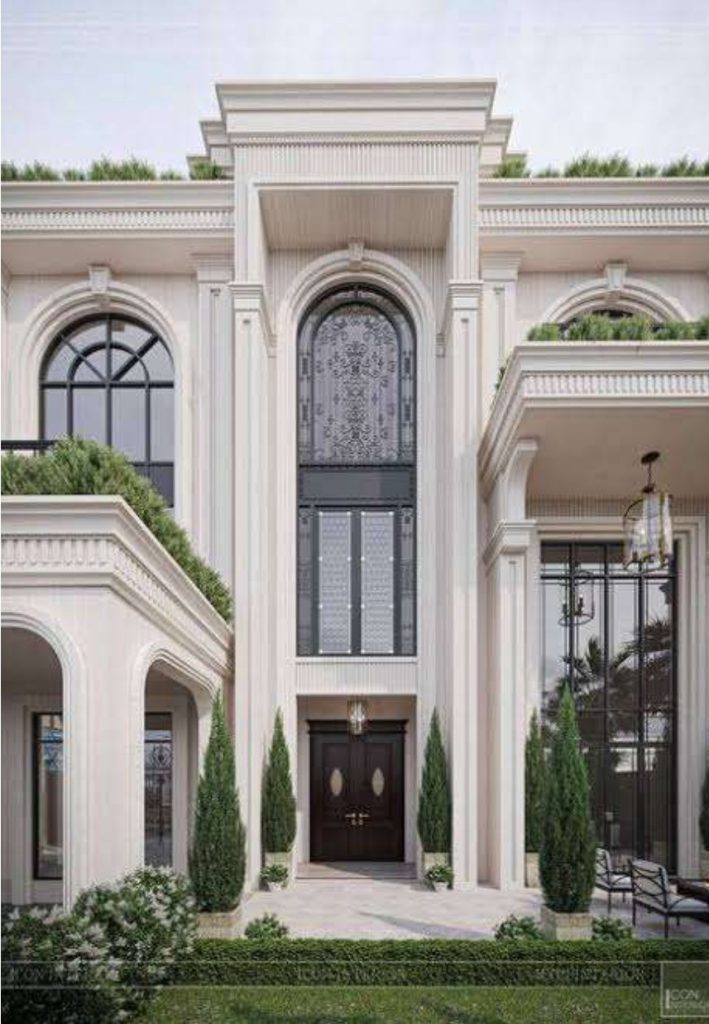
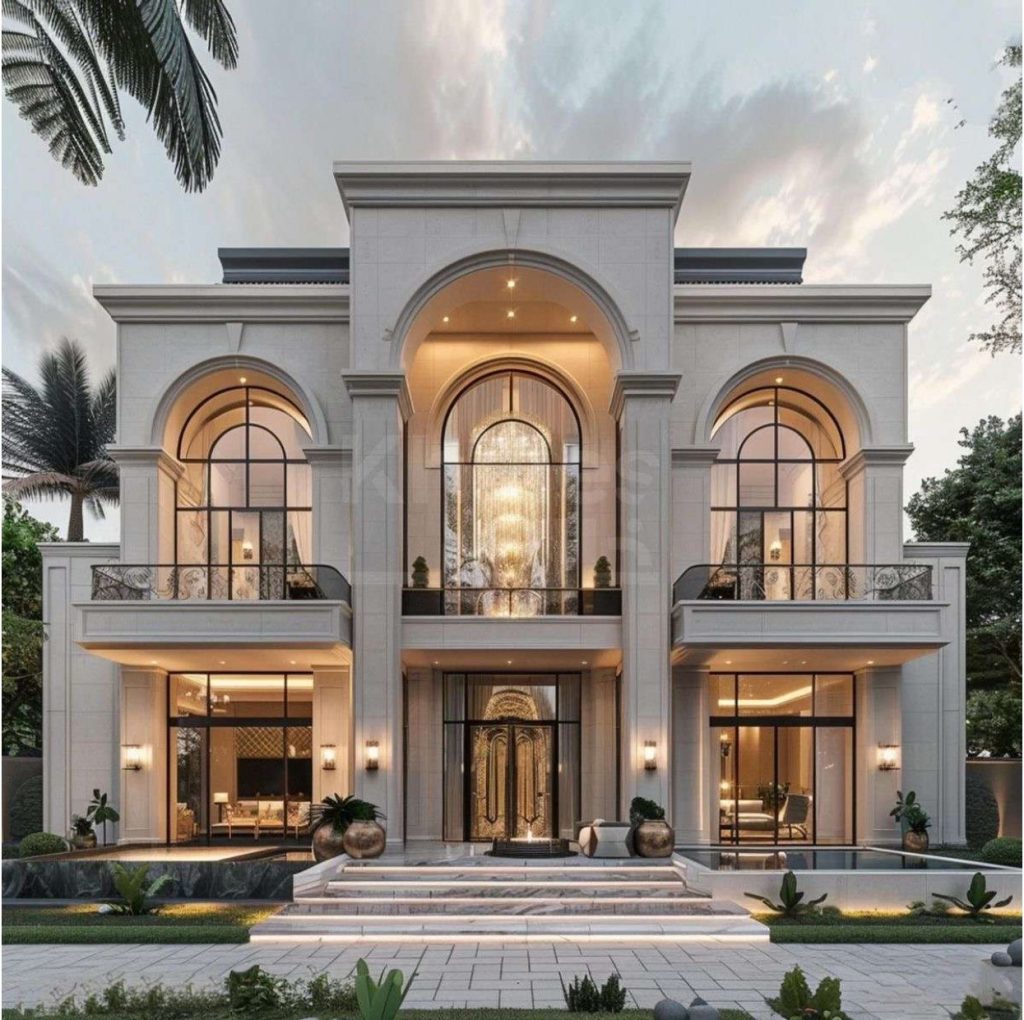
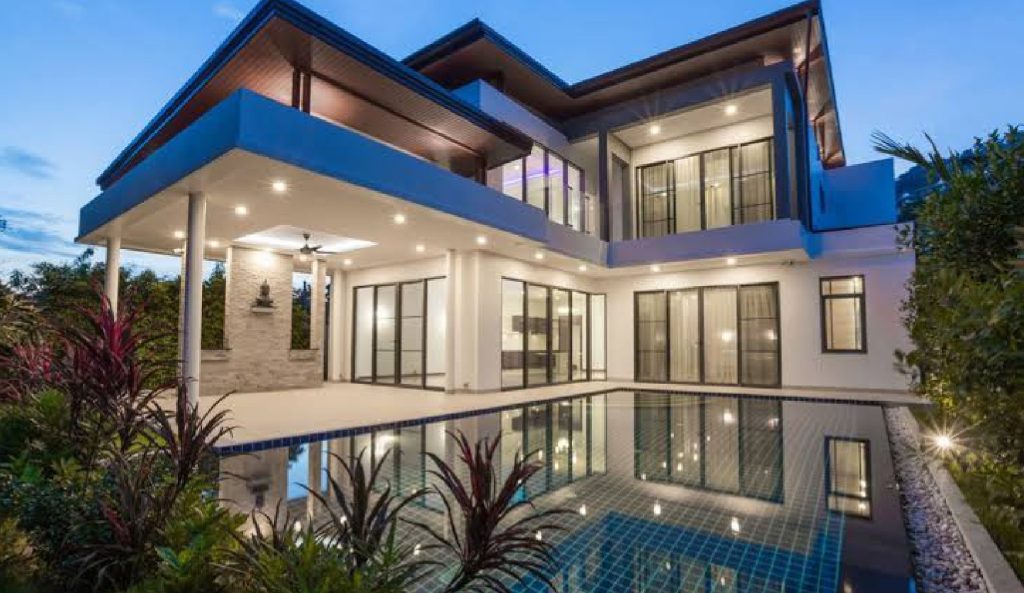
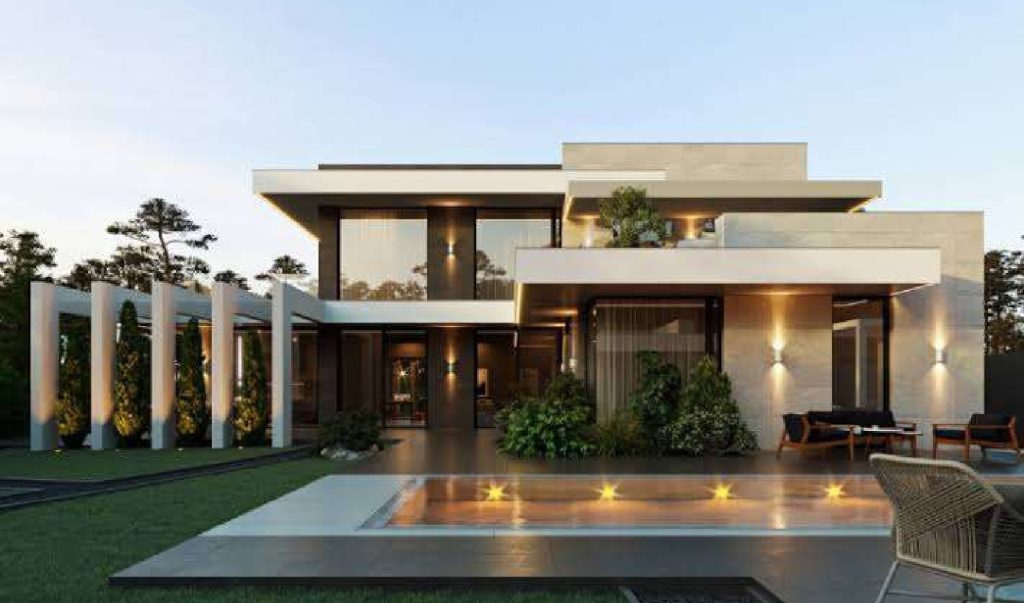
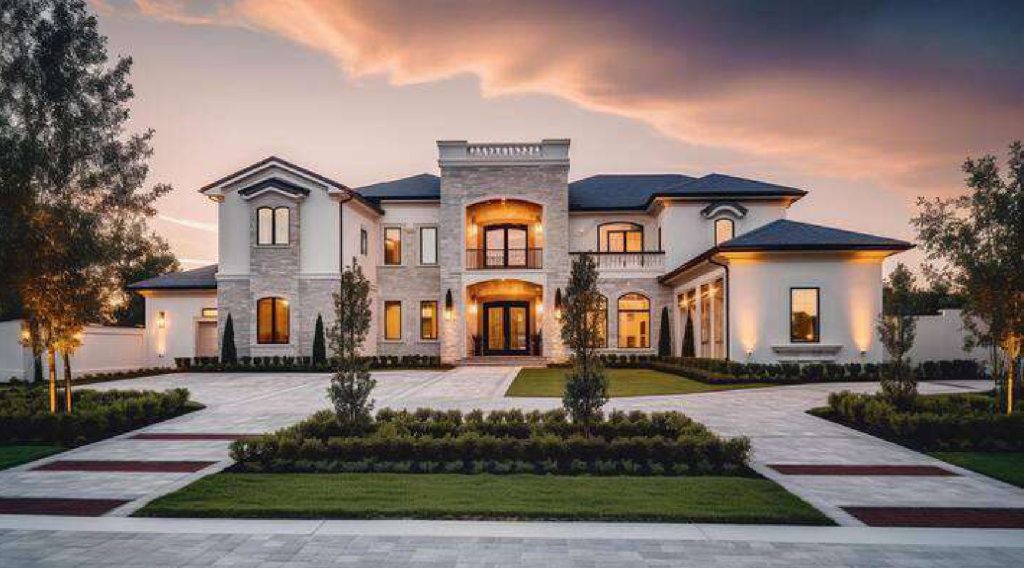
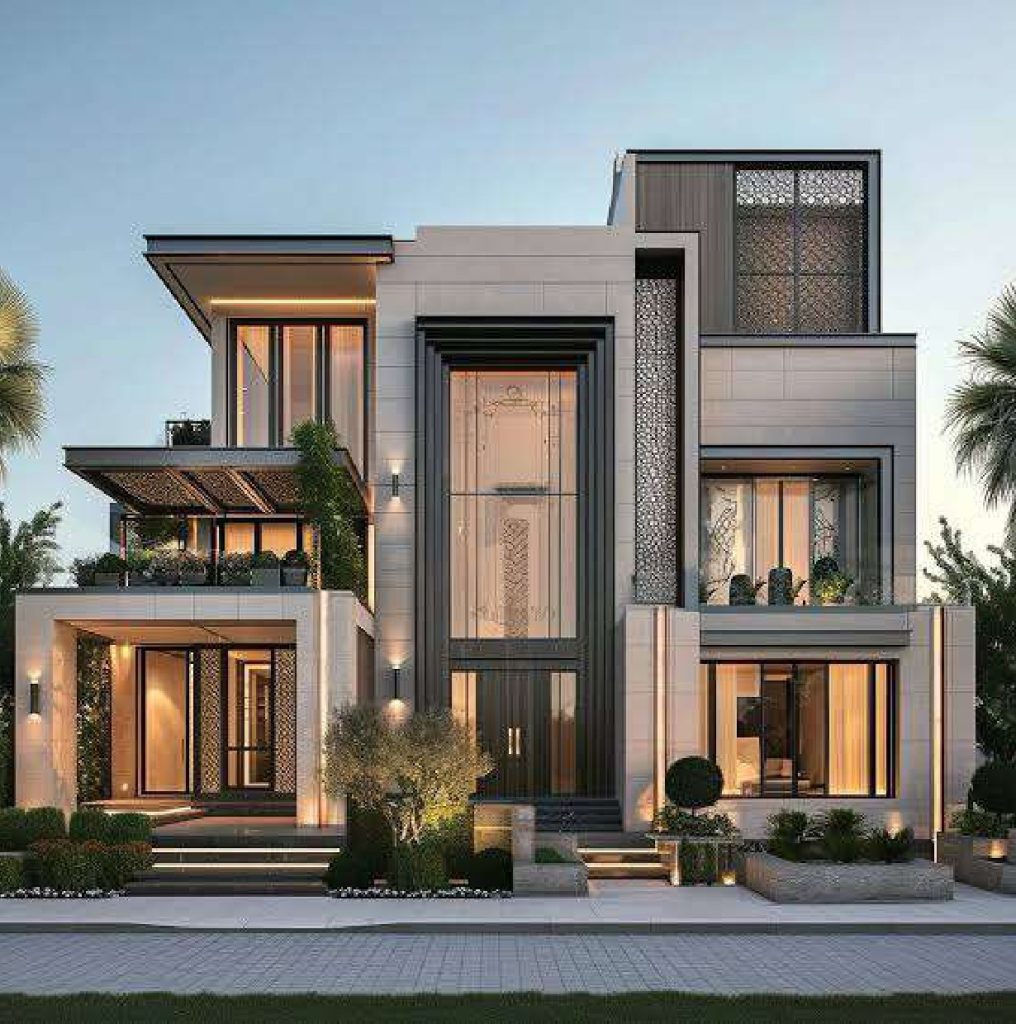
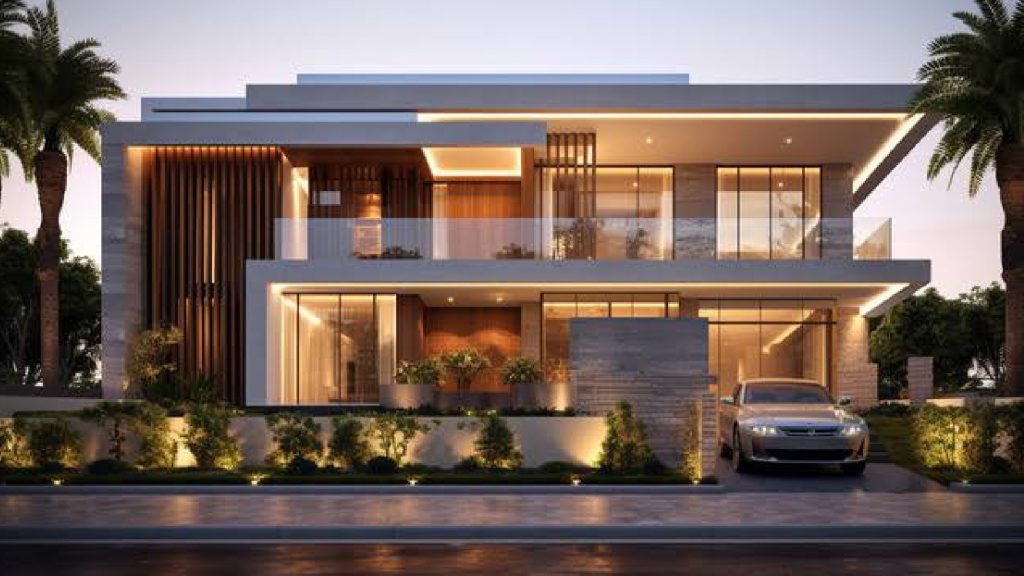
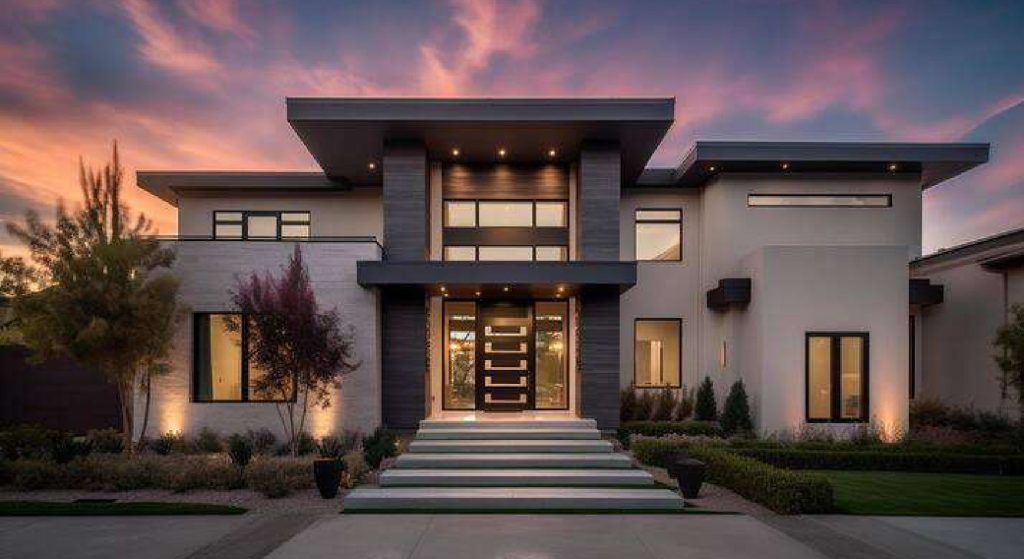
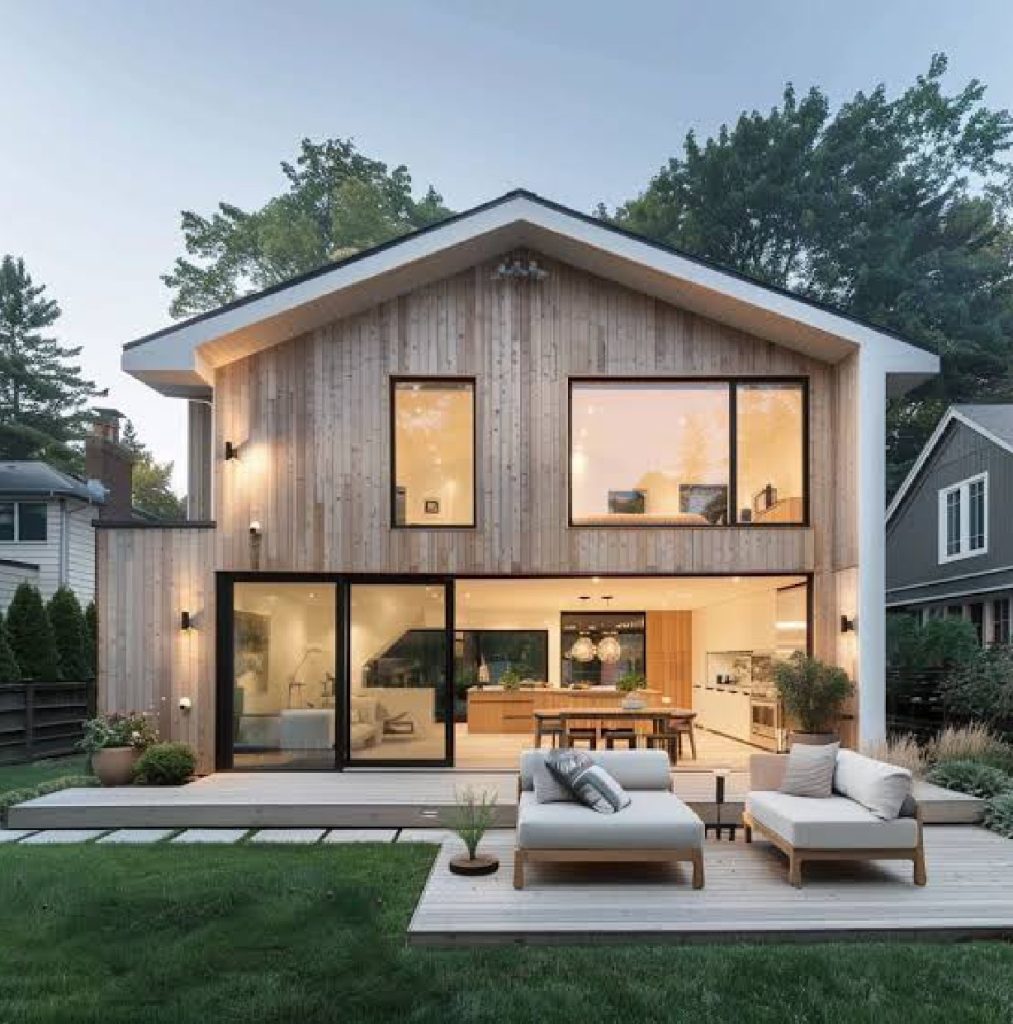
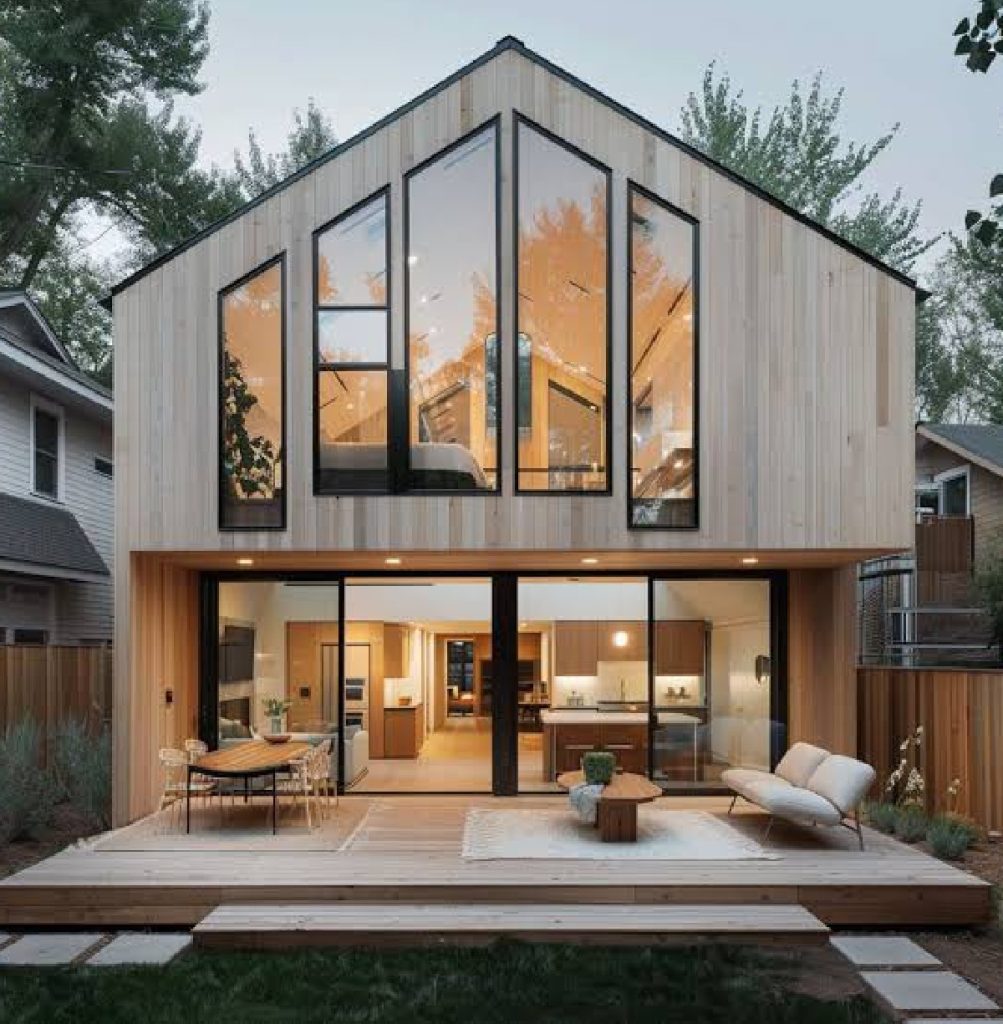
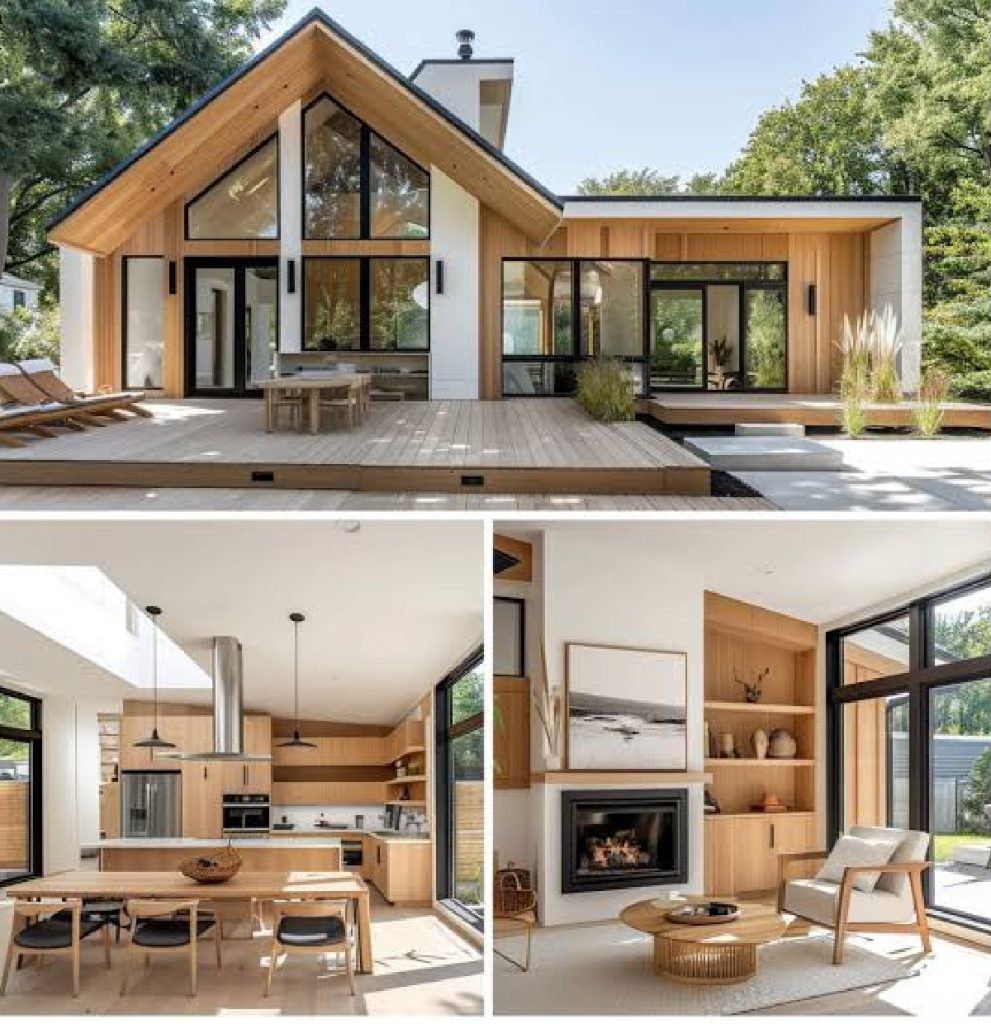
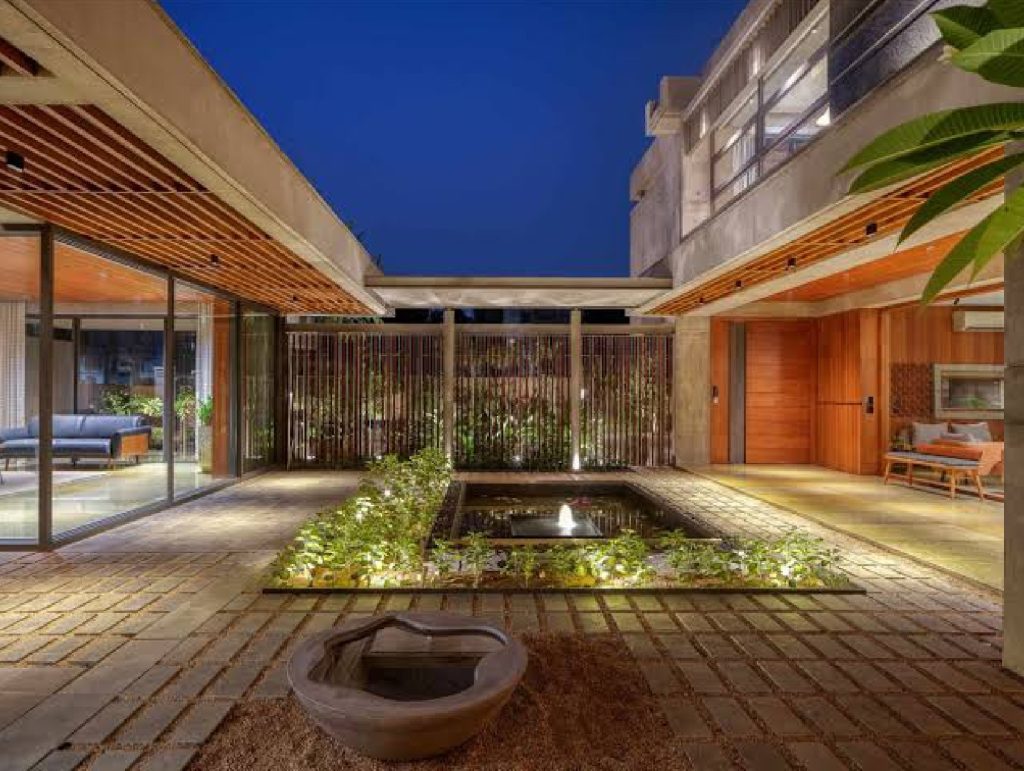
A building that reflects the latest design and construction trends, and is built using current materials and technique. contemporary houses are know for their clean line, geometric shapes and open space . Contemporary Homes offer more flexibility and allow architects to take greater artistic liberties in adopting a freeform approach.
CHARACTERISTICS
Design Contemporary homes feature clean lines, minimalist feel, and abundant natural light. They also use curved and sculptural lines, and can have asymmetric and free-form building shapes.
Materials Contemporary homes often use natural and sustainable building materials, such as concrete, reclaimed wood, natural stone, and various types of metal.
Interior Contemporary homes can feature a modern shell layered with unique pieces and finds, such as large plants, artwork in nonornate frames, metallic or glass accent pieces, and natural stone.
Evolution Contemporary homes are constantly evolving to reflect the latest design trends and what home buyers want.
FEATURESOFCONTEMPORARYHOUSE
EXTERIORFEATURES
An asymmetrical layout
Free-form design
Large windows
Eco-friendly building
materials
Green roofs
Tidy landscaping
INTERIORFEATURES
An open floor plan
1 – 2 stories
Energy-efficient appliances
Natural elements
A flexible layout
Neutral color schemes
ADVANTAGEOFCONTEMPORARYHOUSE
With their open floor plans and large windows, contemporary homes bring the outdoors in, providing an abundance of natural light and ventilation. This not only boosts our mood and energy levels but also reduces the need for artificial lighting and heating.
Moreover, contemporary homes often feature innovative storage solutions, multi-functional spaces, and smart home technology, making it easier to manage our busy lives.
They’re also built with sustainable materials and designed to be energy-efficient, reducing our environmental footprint and saving us money on utility bills. Whether you’re a busy professional, a growing family, or an empty nester, a contemporary house can be tailored to meet your unique needs and lifestyle.
Mediterranean style house
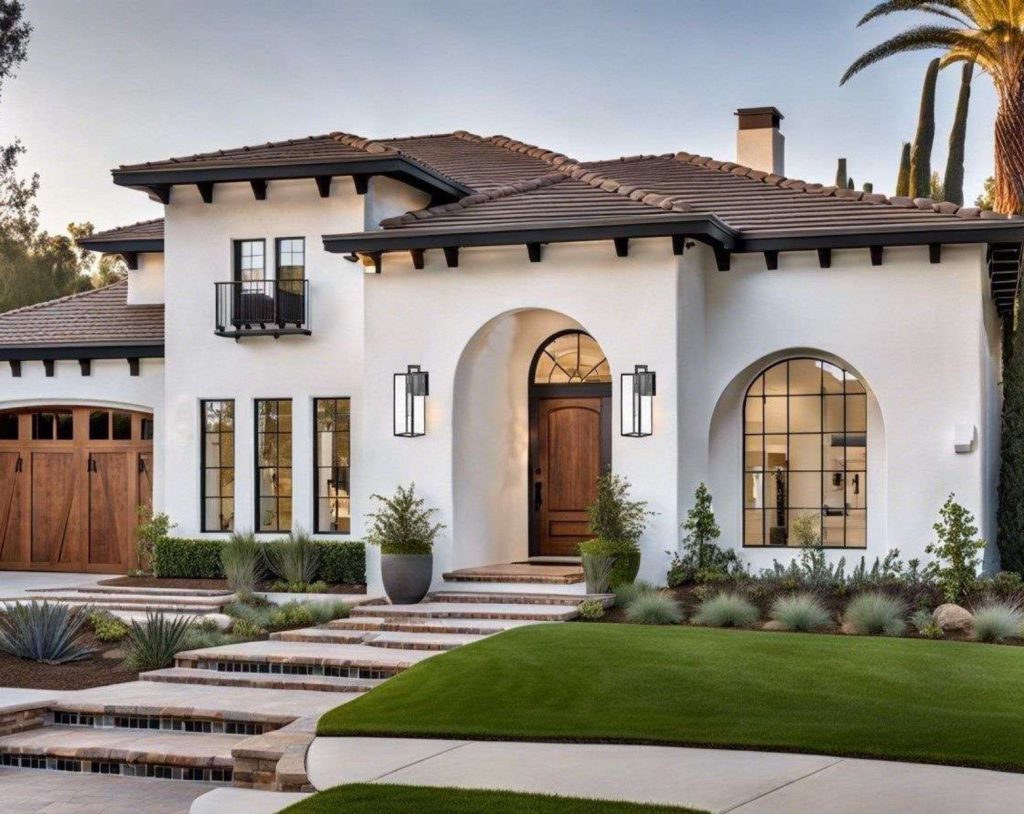
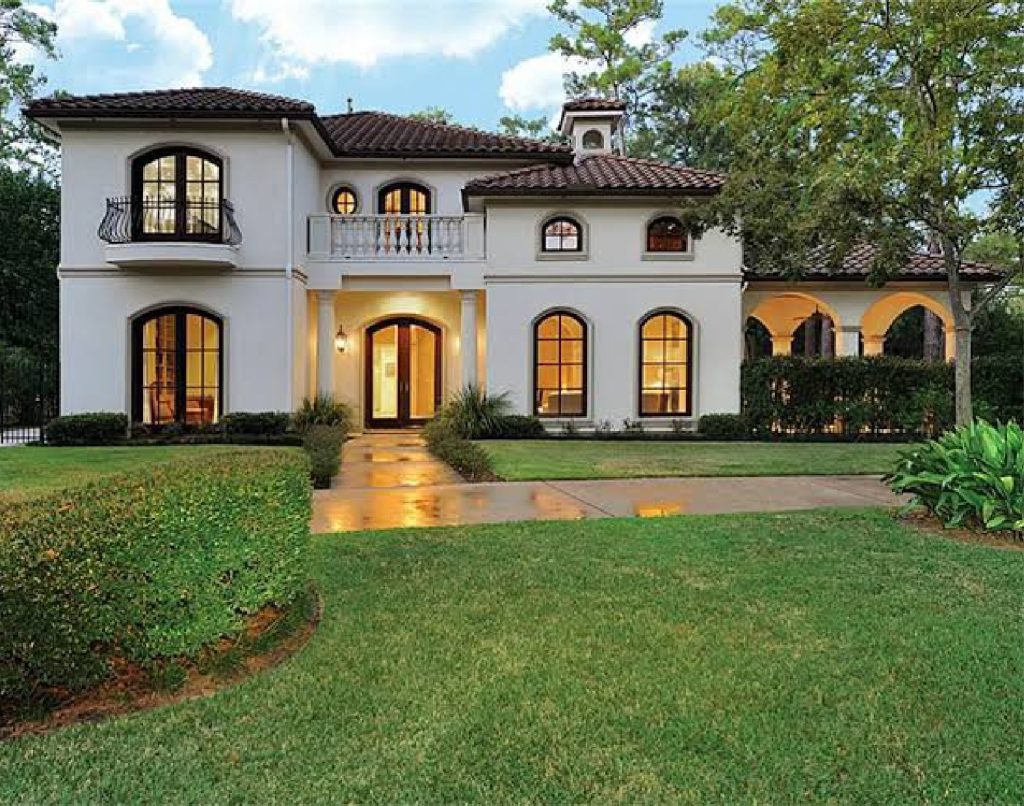
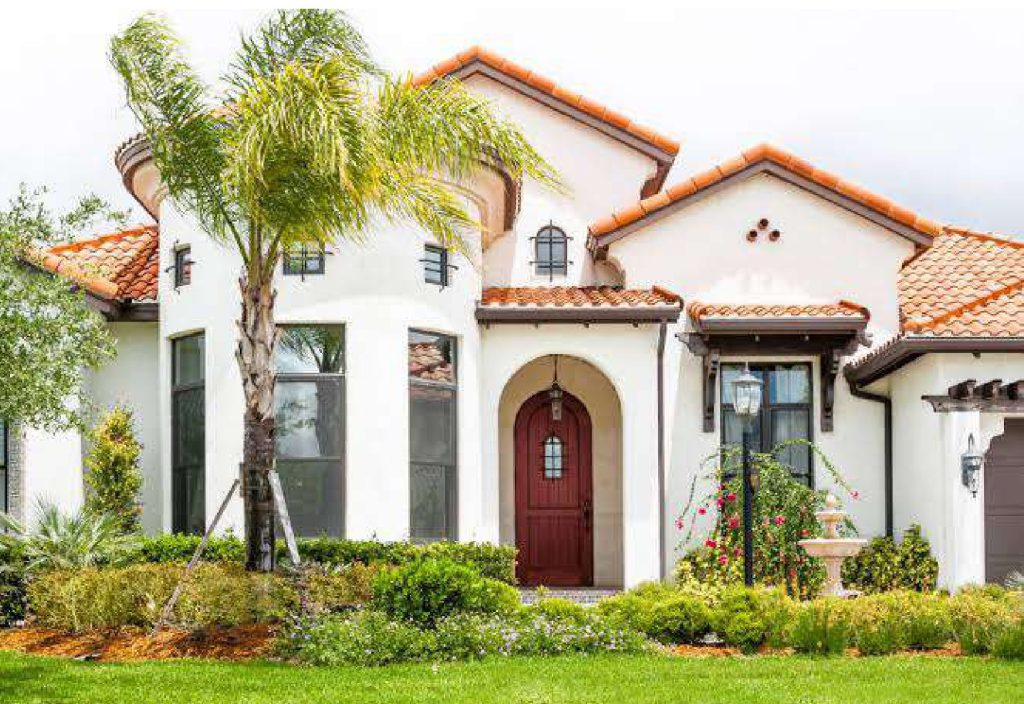
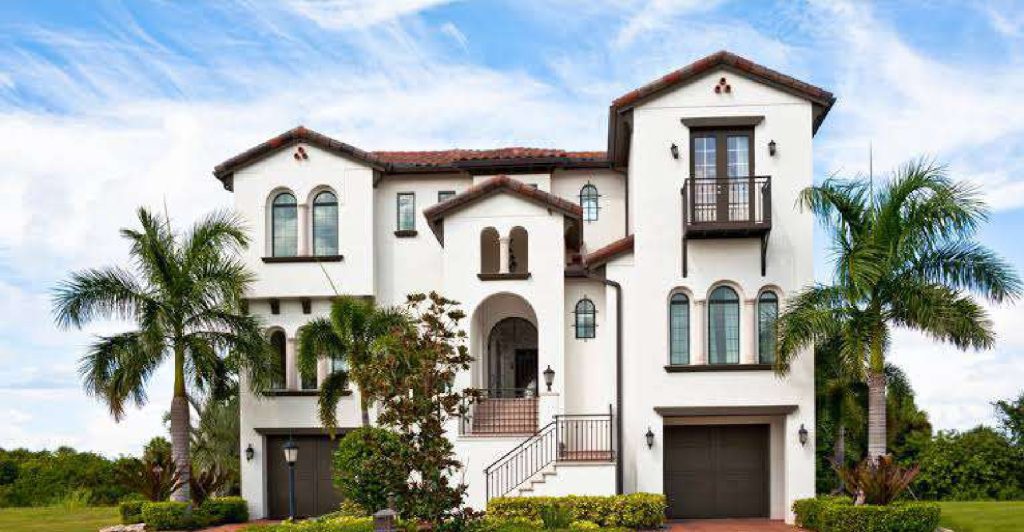
A Mediterranean house is a style of residential architecture that originated in the Mediterranean region, characterized by a distinctive blend of Spanish, Italian, Greek, and Moorish influences. Typically, Mediterranean houses feature curved lines, arches, and ornate details, with stuccoor stone exteriors, terracotta rooftiles, and ornate ironwork. The design often emphasizes outdoor living, with courtyards, patios, and verandas that provide a seamless transition between indoor and outdoor spaces , creating awarm and inviting that reflects the relaxed and casual lifestyle of the Mediterranean region.
CHARACTERISTICS
1. Curved lines and arches: Mediterranean houses often feature curved lines, arches, and domes. 2. Stucco or stone exteriors: Exterior walls are typically made of stucco or stone. 3. Terracotta roof tiles: Mediterranean houses often have terracotta roof tiles. 4. Ornate ironwork: Decorative ironwork is commonly used in Mediterranean houses. 5. Courtyards and patios: Mediterranean houses often feature courtyards, patios, and verandas. 6. Large windows and doors: Large windows and doors provide natural light and ventilation. 7. Decorative tile work: Mediterranean houses often feature decorative tile work. 8. Warm and earthy colour palette: Mediterranean houses often have a warm and earthy colour palette. 9. Low-pitched roofs: Mediterranean houses often have low-pitched roofs. 10. Emphasis on outdoor living: Mediterranean houses are designed to blend indoor and outdoor living spaces.
1. Highceilings:Mediterraneanhousesoftenhavehighceilings. 2.Decorativetilework:Mediterraneanhousesoftenfeaturedecorative tilework. 3.Woodenbeams:Exposedwoodenbeams are a commonfeature in Mediterraneanhouses. 4.Archeddoorwaysandwindows:Archeddoorways andwindows are a distinctive featureofMediterraneanhouses. 5.Warmandearthycolorpalette:Mediterraneanhousesoftenhave awarmand earthy colorpalette. 6.Plasterwalls:Mediterraneanhousesoftenhaveplasterwalls. 7.Mosaicsandornatedetails:Mediterraneanhousesoftenfeaturemosaics and ornatedetails. 8.Openfloorplans:Mediterraneanhousesoftenhaveopenfloorplans thatblend living,dining, andkitchenareas.
ADVANTAGEOFMEDITERRANEAN HOUSE
Mediterranean houses are incredibly versatile, serving as charming primary residences, vacation homes, and even commercial spaces.
They’re often converted into cozy bed and breakfast inns, restaurants, and cafes, offering a unique atmosphere for guests.
Additionally, Mediterranean houses can be used as office spaces, event venues, art galleries, and even museums, showcasing their adaptability and time less appeal.
Their warm and inviting architecture also makes them ideal for retreat centers, guesthouses, and film locations, further high lighting their multifaceted nature.
A-frame house
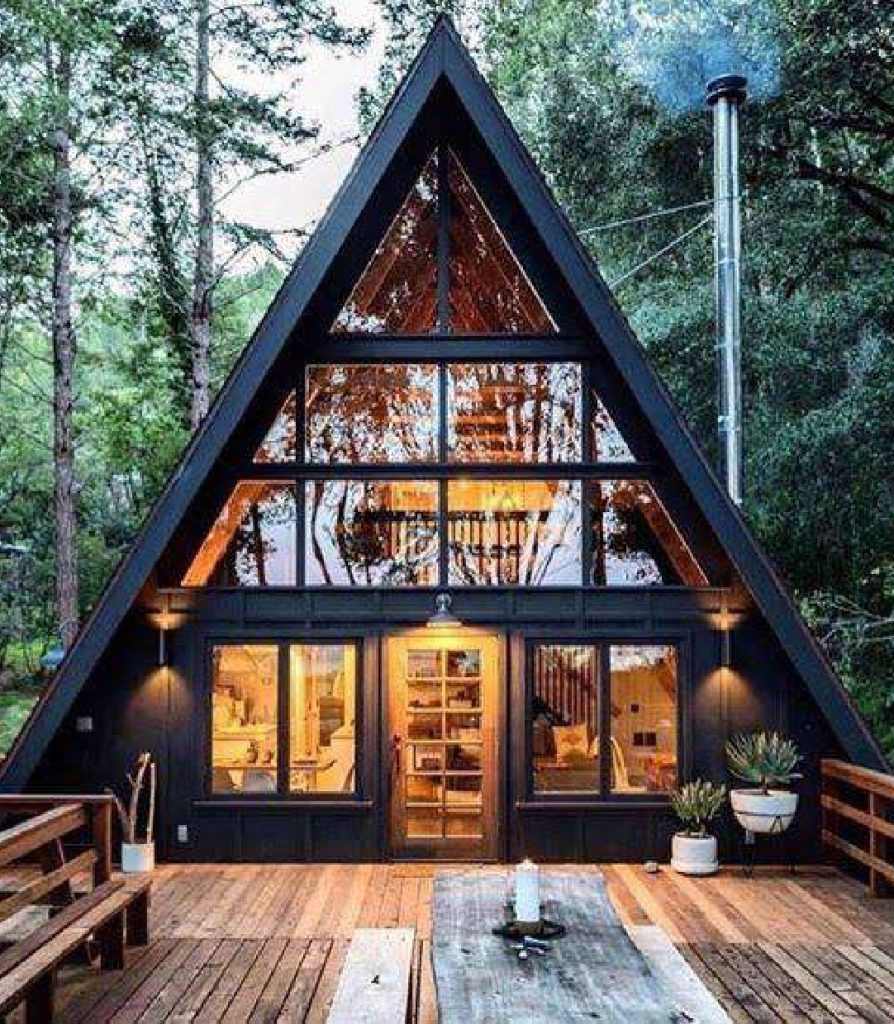
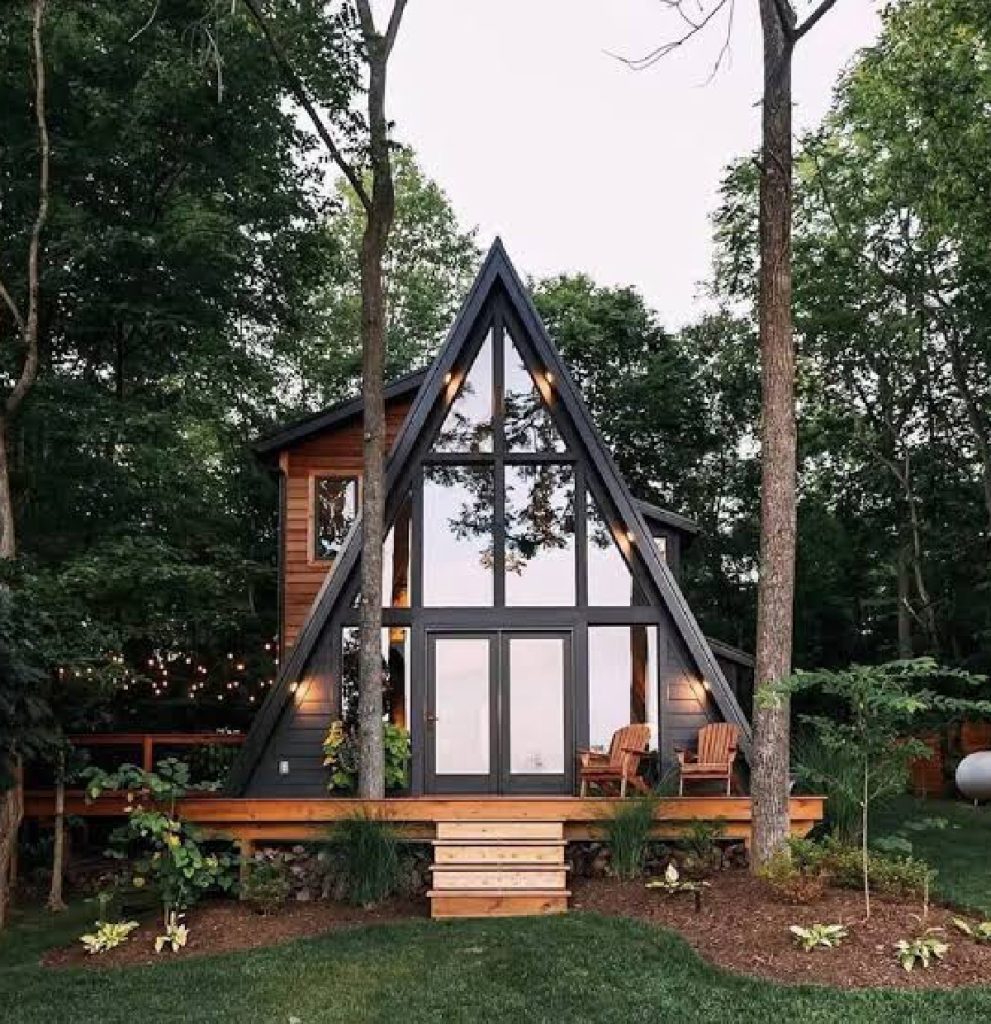
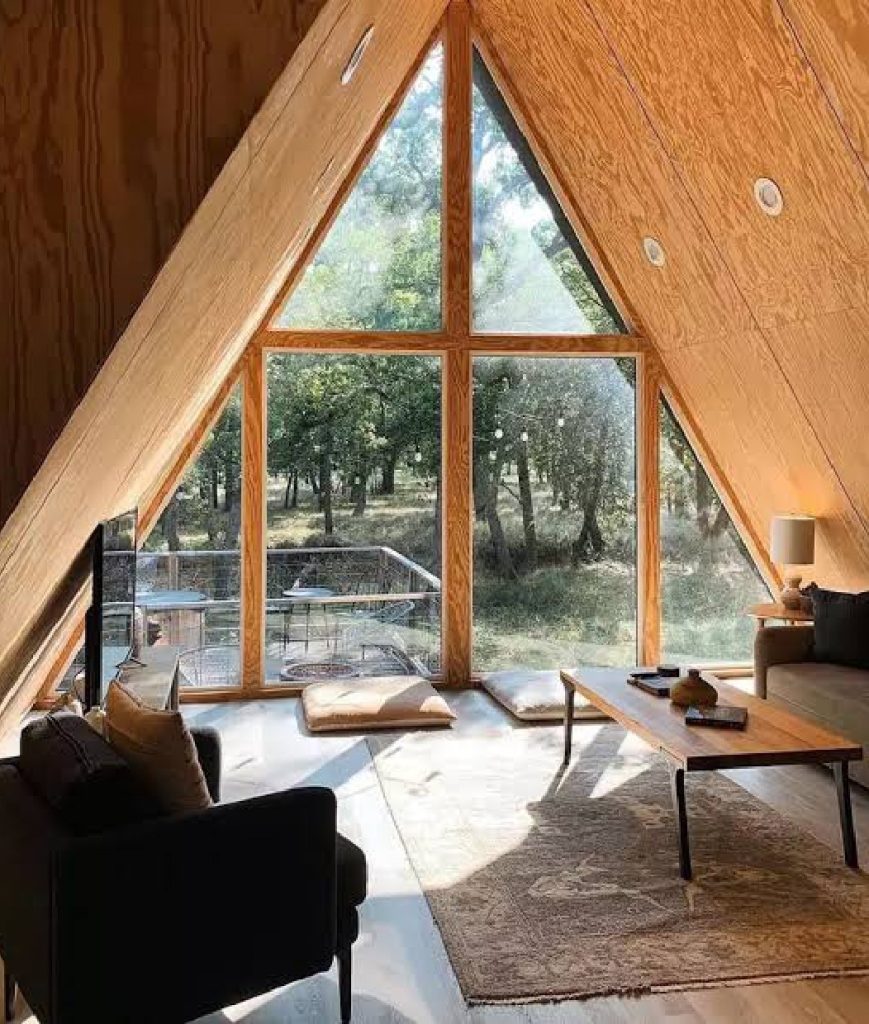
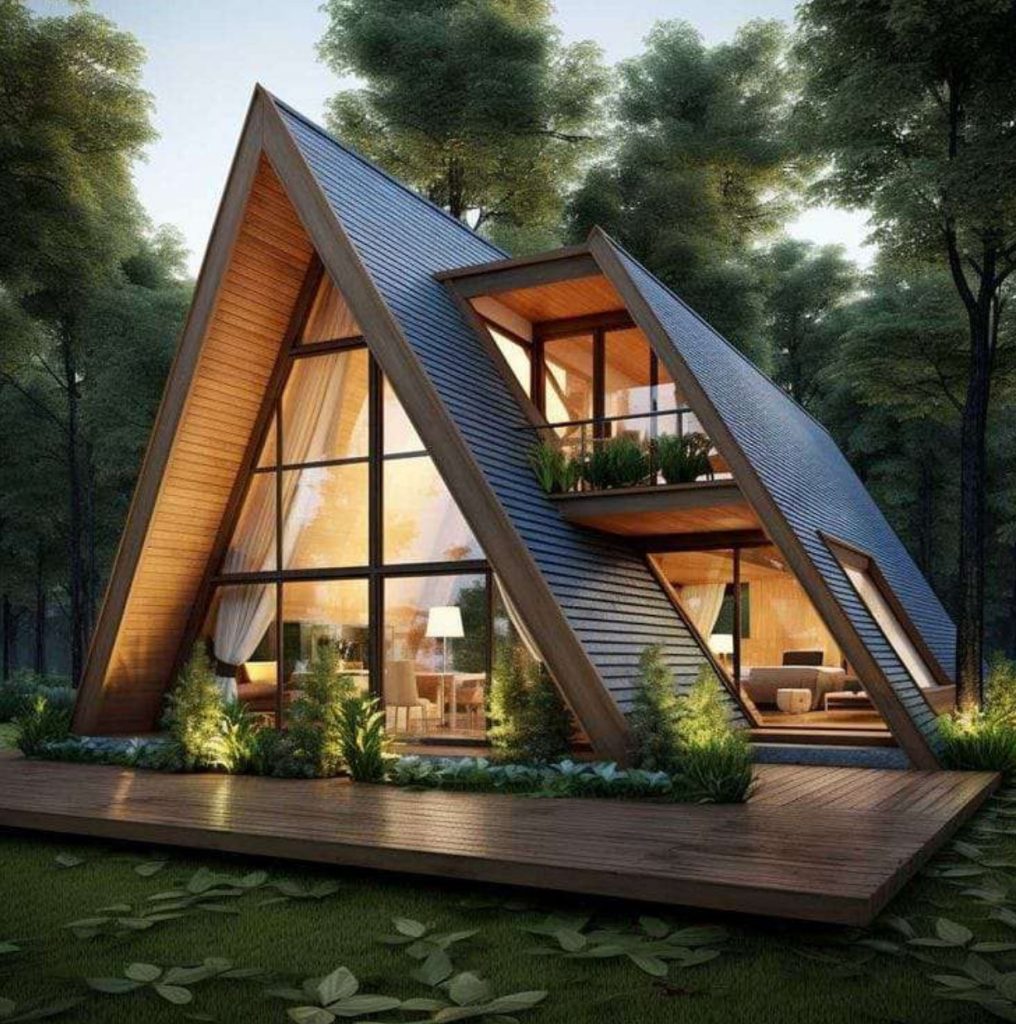
An A-Frame house is a triangular-shaped residence with steeply pitched roofs and angled walls. It features a simple, rustic design with large windows and sliding glass doors, providing stunning views. Originating in the 1950s and 1960s, A-Frame houses are popular vacation homes and retreats, often found in and wooded areas.
CHARACTERISTICS
Design A-Frame houses are characterised by a triangular shape with steeply pitche droofs and angled walls that meet at the top to form a sharp peak. This simple and rustic design is often a symmetrical, with a unique facade that sets it apart from other architectural styles.
Materials A-Frame houses typically feature a metal/wooden frame, wooden siding, and metal roofing, which provides durability and weather resistance. Large windows and sliding glass doors are also characteristic of A-Frame houses, allowing for stunning views and an abundance of natural light.
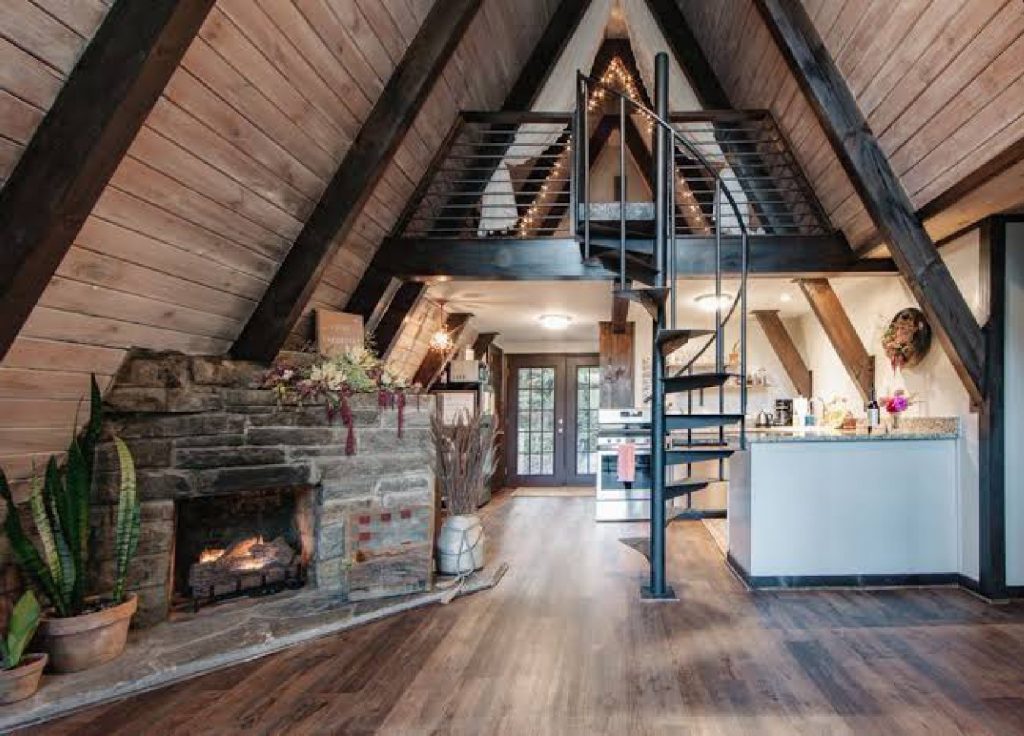
Interior Features Inside, A-Frame houses often have an open floor plan, high ceilings, and exposed wooden beams, which create a cozy and intimate atmosphere. The interior design is often minimalist and rustic, wit an emphasis on natural materials and textures.
Evolution The A-Frame house style has its roots in the 1950s and 1960s,when it emerged as a modernist architectural style influenced by Scandinavian design. Originally popular as vacation homes and retreats, A-Frame houses have evolved over time to incorporate sustainable materials and energy-efficient features, making them a popular choice for eco-conscious home owners.
FEATURESOFA-FRAMEHOUSE
EXTERIORFEATURES
1.Triangular Shape:A-Frame houses are characterised by a triangular shape with steeply pitched roofs. 2.Angled Walls:The walls of an A-Frame house are angled to meet at the top, forming a sharp peak. 3.Wooden Siding:A-Frame houses often feature wooden siding, which can be made from various type sofwood, such as cedarorpine. 4.Metal Roofing:Metal roofing is a common feature of A-Frame houses, providing durability and weather resistance. 5.Large Windows:A-Frame houses of ten have large windows and sliding glass doors, which provide stunning views and an abundance of natural light. 6.Simple and Rustic Design:A-Frame houses are known for their simple and rustic design, which is often a symmetrical and unique.
INTERIORFEATURES
1.Open Floor Plan:A-Frame houses often have an open floor plan, which creates a sense of spaciousness and flow. 2. High Ceilings:The interior of an A-Frame house often features high ceilings, which can make the space feel more expansive. 3.ExposedWoodenBeams:Exposed wooden beams are a common feature of A-Frame houses, adding to their rustic charm. 4.MinimalistDesign:A-Frame houses often have aminimalist interior design, which emphasises natural materials andtextures. 5.CozyAtmosphere:The interior of an A-Frame house often has a cozy and intimate atmosphere, making it perfect for relaxation and retreat. 6.LoftorAtticSpace:Many A-Frame houses have a loftor attic space, which can be used for storage, a bed room, or a home office.
ADVANTAGEOFA-FRAMEHOUSE
A-Frame houses are incredibly versatile and serve a variety of purposes.They’re often used as cozy vacation homes, retreats, andcabins, particularly inmountainous and wooded areas.
Additionally, A-Frame houses can be used as primary residences, guest houses, and even rental properties.
Their unique design and charm also make them popular for use as bed and breakfast inns, art studios, offices, offering a peaceful and inspiring work space.
Spanish style house
A Spanish Mediterranean house is a style of residential architecture that originated in Spain and was popularised in the United States in the early 20th century. Characterised by its use of curved lines, arches, and ornate details, Spanish Mediterranean homes often feature stucco exteriors, red-tiled roofs, and wrought iron accents. The style is inspired by the architecture of Spain, Italy, and Portugal, and is often associated with warm and sunny climates. Spanish Mediterranean homes typically have a casual and elegant ambiance, with an emphasis on outdoor living and indoor-outdoor connections.t
CHARACTERISTICS
Design Spanish Mediterranean houses feature curved lines, arches, and rounded doorways, with a focus on symmetry and balance. The exterior is often adorned with ornate ironwork, decorative tile work, and carved wooden doors.
Materials The exterior walls are typicaly made of stucco, providing insulation and protection from the elements. Roofs are often covered with red clay tiles, adding to the style’s charm and character.
Interior Inside, Spanish Mediterranean houses feature high ceilings, exposed wooden beams, and colorful tile work. The interior design is often warm and inviting, with a focus on natural materials and textures.
Evolution Spanish Mediterranean architecture has its roots in Moorish and Gothic styles, with influences from Islamic, Roman, and Mediterranean traditions. The style evolved over time, with various regional interpretations and adaptations.
FEATURES OF SPANISH MEDITERRANEAN HOUSE
EXTERIOR FEATURES
1.Curved lines and arches: Spanish Mediterranean houses often feature curved lines, arches, and rounded doorways. 2.Stucco exterior: The exterior walls are typicaly made of stucco, which provides insulation and protection from the elements. 3.Red-tiled roof: A distinctive feature of Spanish Mediterranean houses is the red-tiled roof, which adds to the style’s charm and character. 4.Ornate ironwork: Decorative ironwork, such as wrought iron balconies and door hinges, is a common feature of Spanish Mediterranean houses.
INTERIOR FEATURES 1.High ceilings: Spanish Mediterranean houses often have high ceilings, which provide a sense of spaciousness and grandeur. 2.Wooden beams: Exposed wooden beams are a common feature of Spanish Mediterranean houses, adding to the style’s warmth and character. 3.Tile work: Colourful tile work, such as ceramic tiles and mosaics, is often used to decorate the interior of Spanish Mediterranean houses. 4.Cozy courtyards: Many Spanish Mediterranean houses feature cozy courtyards, which provide a peaceful retreat from the outside world.
ADVANTAGE OF SPANISH MEDITERRANEAN HOUSE
Spanish Mediterranean houses are often used as:
1.Residential homes: They make beautiful and functional family homes. 2.Vacation homes: Their charm and character make them popular vacation rentals. 3.Heritage hotels: Many Spanish Mediterranean houses have been converted into boutique hotels and bed-and-breakfast inns. 4.Event venues: Their courtyards and ornate details make them popular venues for weddings and other events.
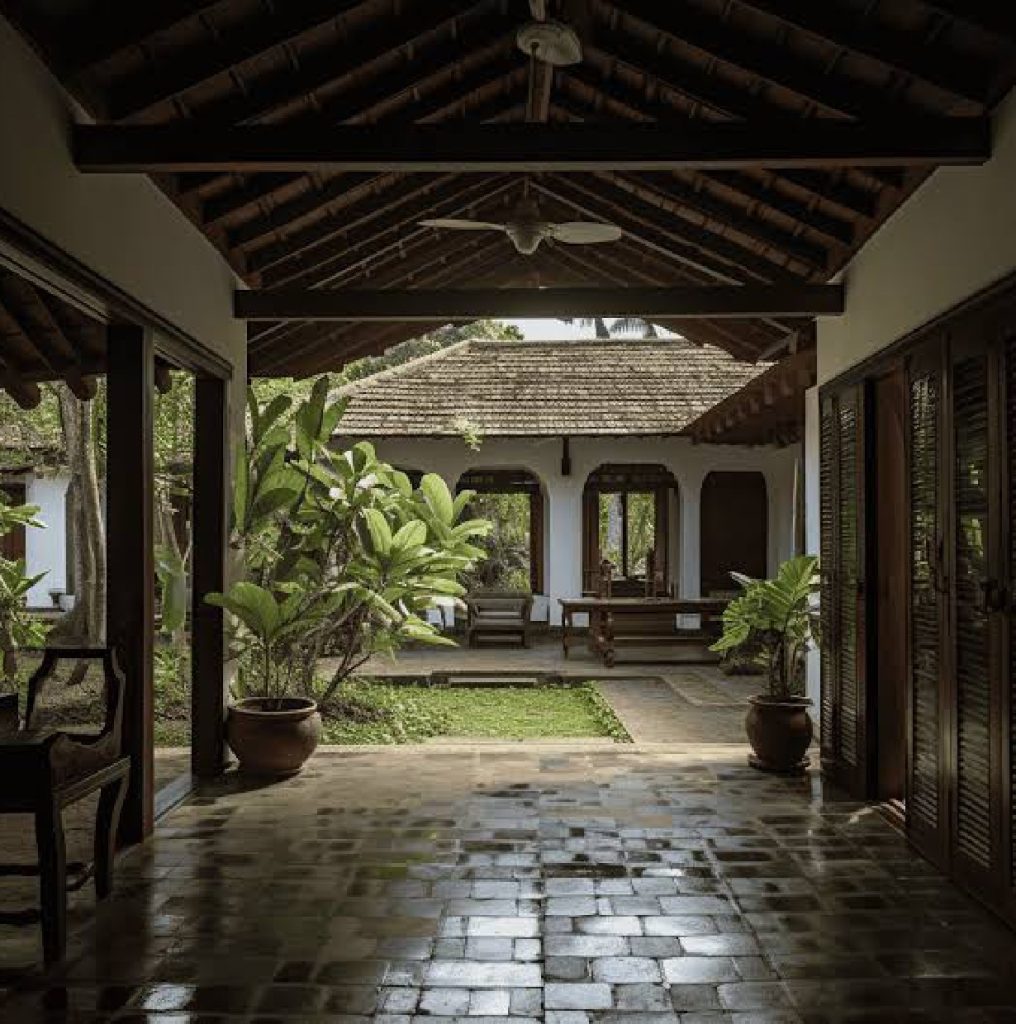
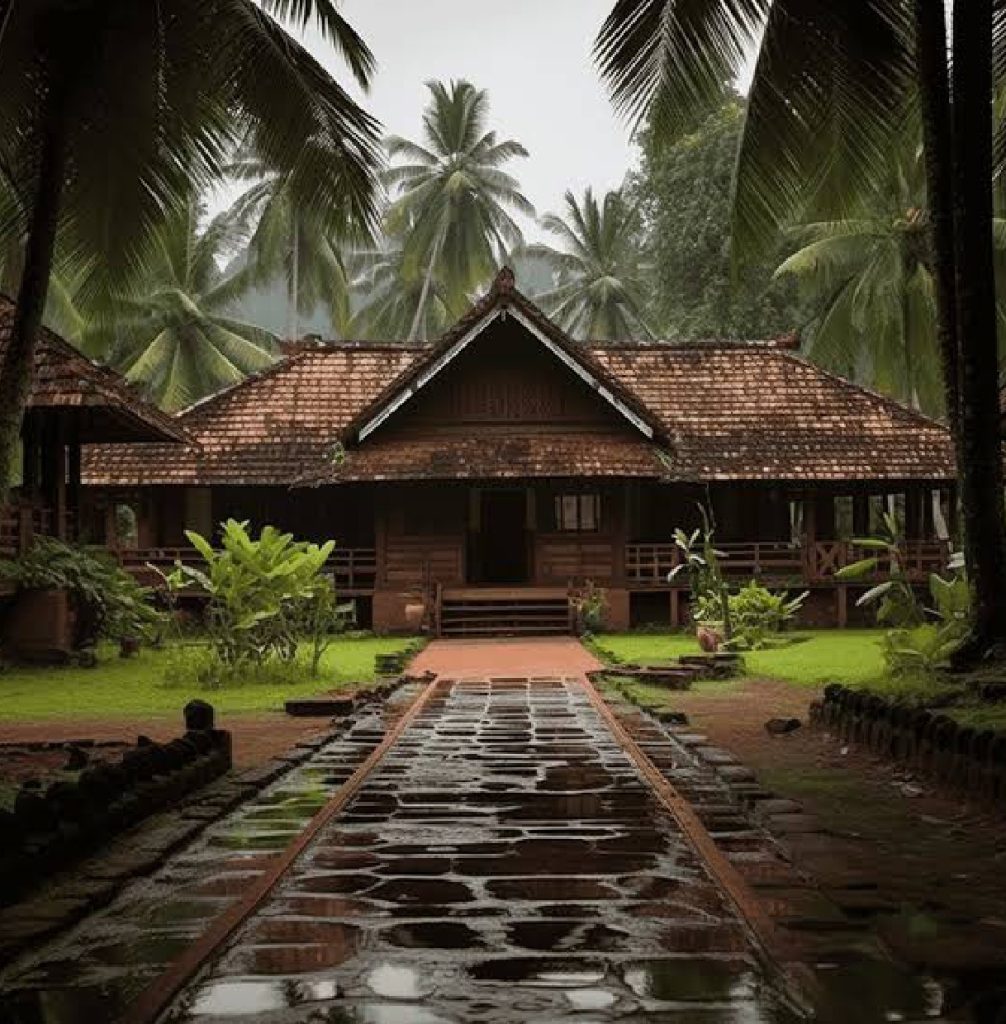
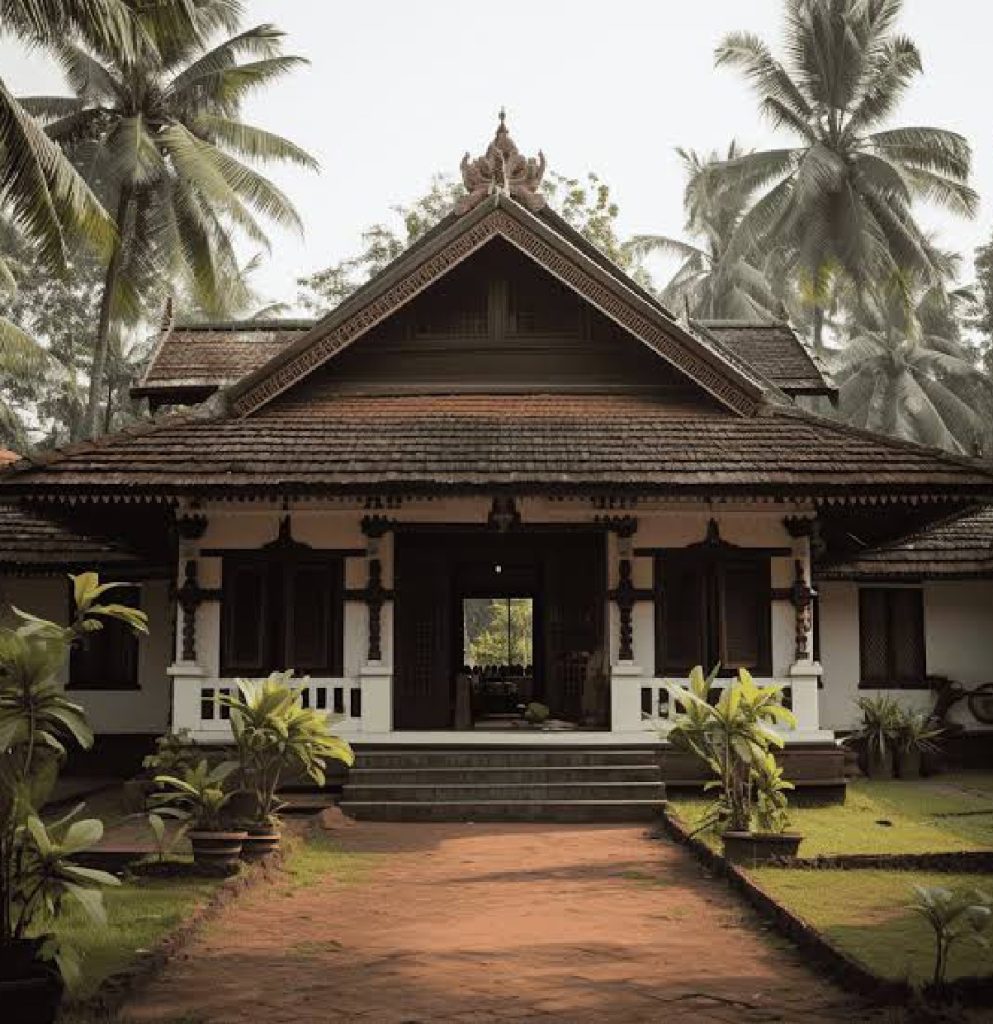
Traditional house
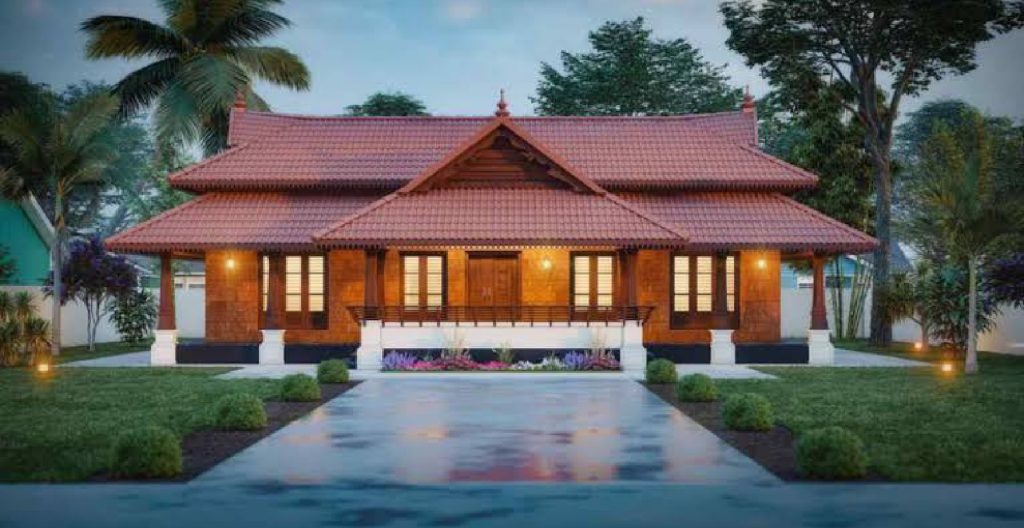
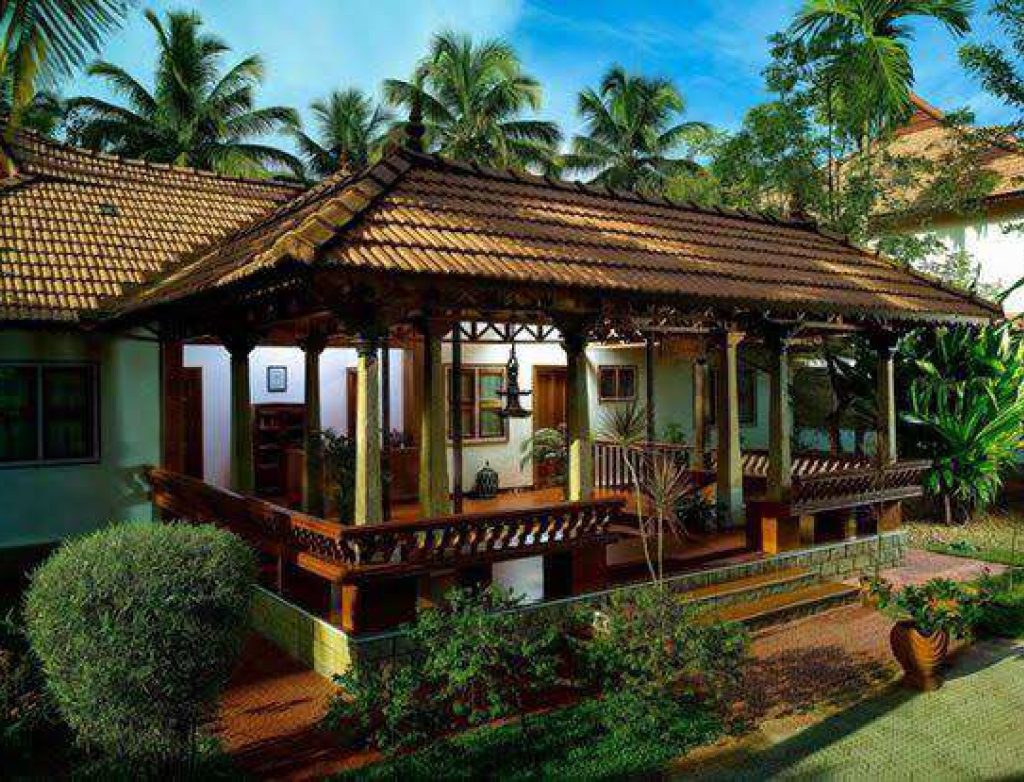
A Traditional Kerala house, also known as a “Tharavadu”, is a unique and ancient architectural style native to Kerala, India. Characterised by sloping roofs, wooden wa ls, and a central courtyard, these houses are designed to blend harmoniously with the natural surroundings. Typica ly built using loca ly-sourced materials such as wood, bamboo, and tiles, traditional Kerala houses are designed to provide exce lent natural lighting, and insulation, making them ideal for the tropical climate of Kerala.
CHARACTERISTICS
Design Traditional Kerala houses feature a unique design with a sloping roof and multiple tiers. The houses are built around a central courtyard, providing natural light and ventilation.
Materials Locally-sourced materials like wood, bamboo, and coconut leaves are used to build traditional Kerala houses. Wood, particularly teak and jackfruit, is the primary building material.
Interior The interior features a central courtyard surrounded by rooms, including a living area, kitchen, and bedrooms. Traditional Kerala artwork, like wood carvings and mural paintings, adorn the walls.
Evolution Traditional Kerala houses have evolved over centuries, influenced by various and architectural traditions. Despite changes, they remain an integral part of Kerala’s cultural heritage
FEATURES OF TRADITIONAL KERALA HOUSE
EXTERIOR FEATURES
1.Sloping Roof: Traditional Kerala houses have a sloping roof with multiple tiers, a lowing rainwater to run off easily. 2.Metal /Wooden Framework: The houses are built using a Metal /wooden framework, with wooden pi lars and beams. 3.Central Courtyard: A central courtyard is a common feature of traditional Kerala houses, providing natural light and ventilation. 4.Brick /Wooden Walls: The wa ls of traditional Kerala houses are made of wood, often with intricate carvings. 5.Tile Roofing: Traditional Kerala houses often have tile roofing, which provides insulation and protection from the elements.
INTERIOR FEATURES
1.Central Courtyard: The central courtyard is a key feature of traditional Kerala houses, providing natural light and ventilation. 2.Wooden Flooring: The floors of traditional Kerala houses are often made of wood, providing a warm and cozy atmosphere. 3.Intricate Wood Carvings: Traditional Kerala houses often feature intricate wood carvings on the wa ls, ceilings, and furniture. 4.Low-Seating Areas: Traditional Kerala houses often have low- seating areas, where family members can gather and socialise. 5.Simple and Functional Design: The interior design of traditional Kerala houses is often simple and functional, with an emphasis on natural materials and textures.
ADVANTAGE OF TRADITIONAL KERALA HOUSE
Traditional Kerala houses serve as more than just a dwelling place.
They’re often used as family homes, passed down through generations, and are a symbol of family heritage and tradition.
They also serve as a venue for family gatherings, ceremonies, and celebrations, fostering a sense of community and togetherness.
Additionally, many traditional Kerala houses have been converted into homestays, heritage hotels, and museums, allowing visitors to experience the rich culture and architecture of Kerala.
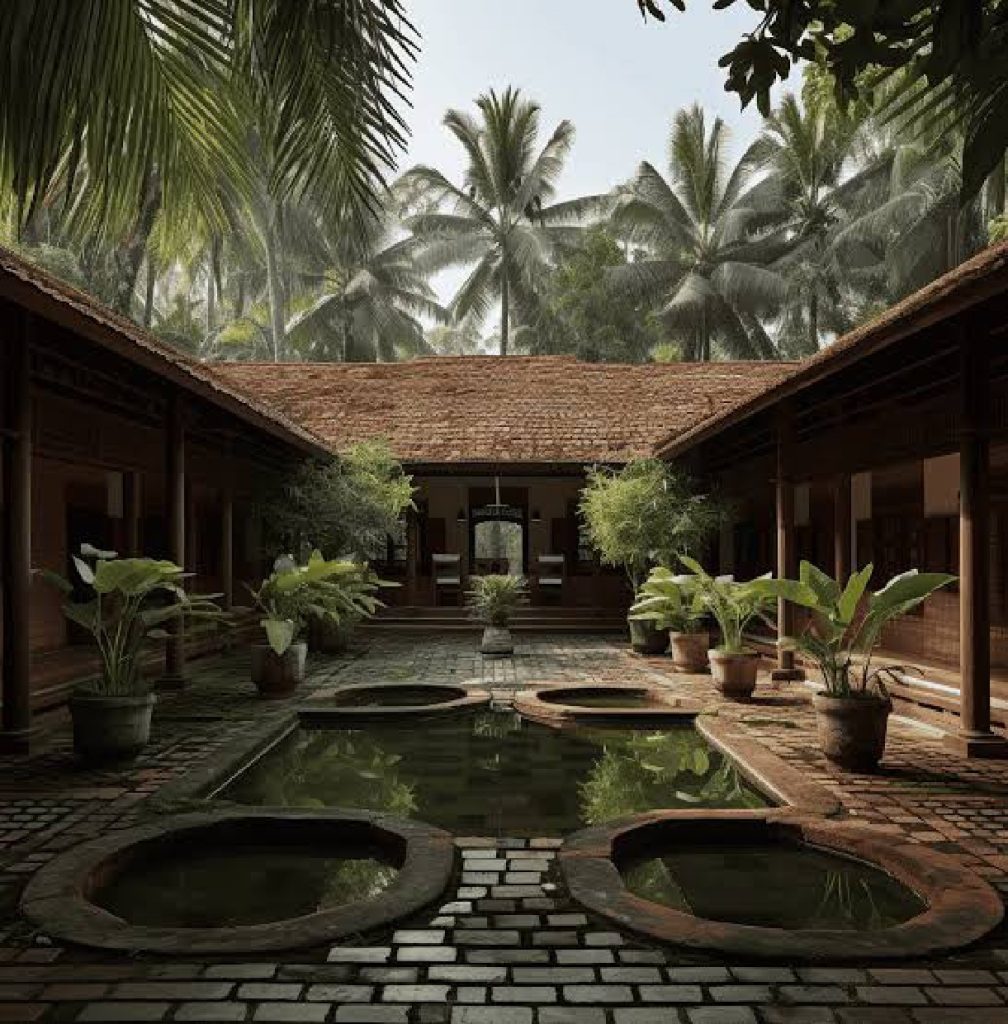
Courtyard style House
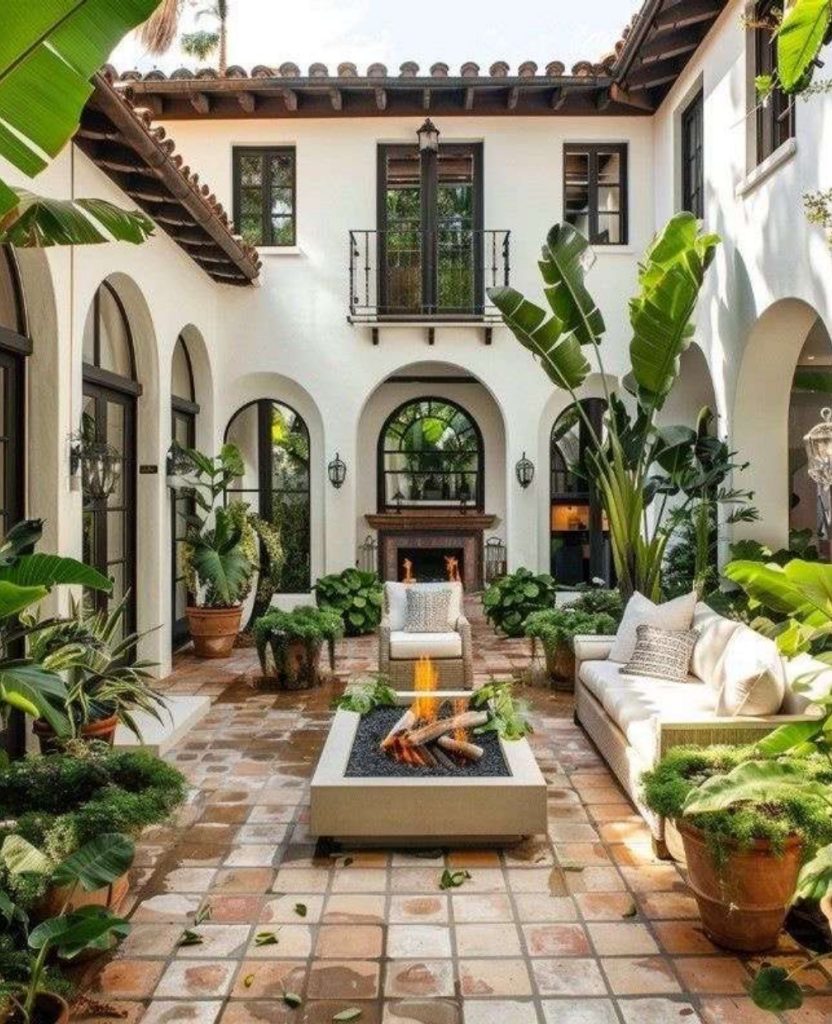
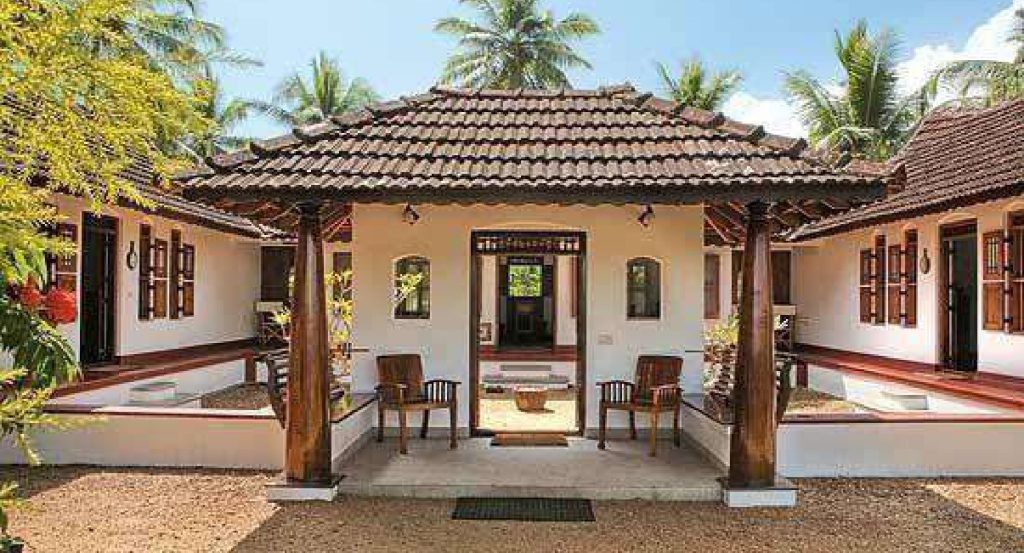
A Courtyard House is a type of residence that features a central outdoor space surrounded by buildings or walls, often emphasising privacy and seclusion. Designed to provide a peaceful and serene living environment, Courtyard Houses often incorporate natural materials, lush landscaping, and water features. With their focus on indoor-outdoor living and connection to nature, Courtyard Houses are popular among those seeking a relaxing and sustainable living space.
CHARACTERISTICS
Design Courtyard houses are designed to provide a private and secluded living space. They often feature a central courtyard or garden, surrounded by buildings or walls.
Materials Courtyard houses can be built using a variety of materials, including brick, stone and wood.
Interior The interior of a courtyard house often features a mix of indoor and outdoor living spaces, with the courtyard serving as a central hub.
Evolution Courtyard houses have evolved over time, influenced by various cultural and architectural styles. They can be found in many parts of the world, including Asia, Europe, and the Americas.
FEATURES OF COURTYARD HOUSE
EXTERIOR FEATURES
1.Central courtyard or garden 2.Surrounding buildings or walls 3.Private entrance and driveway 4.Landscaped gardens and outdoor spaces 5.Ornate details such as arches and columns
INTERIOR FEATURES
1.Mix of indoor and outdoor living spaces 2.Central courtyard or garden 3.Natural light and ventilation 4.Ornatz details such as tile work and wood carvings 5.Private bedrooms and bathrooms
ADVANTAGE OF COURTYARD HOUSE
Courtyard houses are highly sought after for their unique blend of indoor and outdoor living spaces.
They offer a private and secluded living environment, perfect for families, individuals, and retirees.
Courtyard houses are also popular among architects and designers, who value their flexibility and versatility. With their emphasis on natural light, ventilation, and outdoor living, courtyard houses continue to be a popular choice for those seeking a sustainable and healthy living environment.
Additionally, courtyard houses can be found in many parts of the world, from urban cities to rural areas, making them a versatile and adaptable housing option.
Classical style house
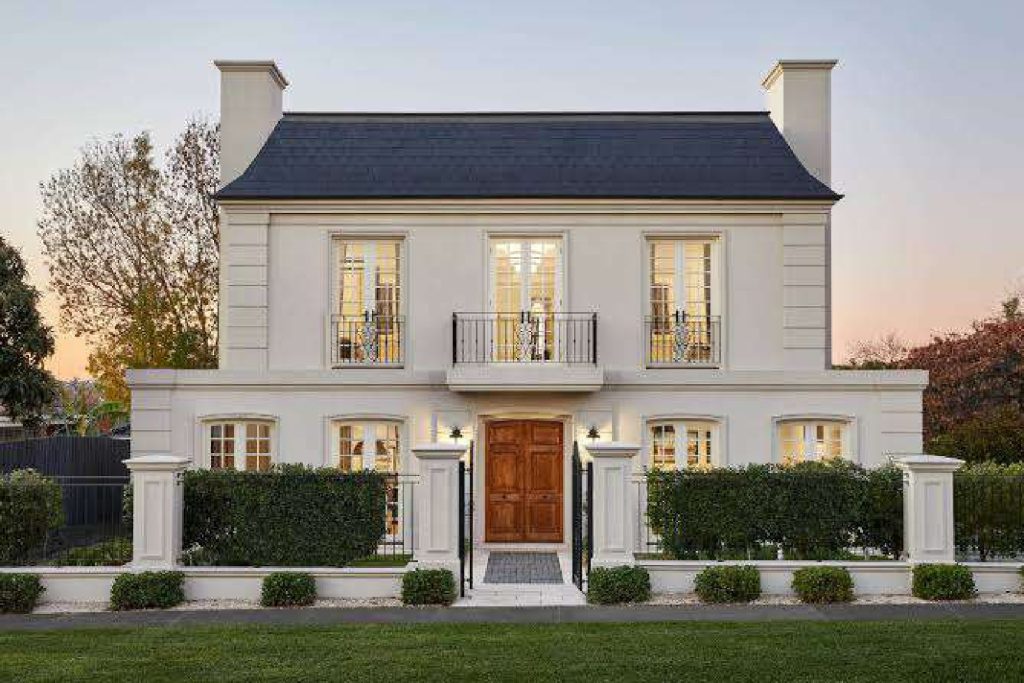
A Classical Villa is a grand and elegant residence inspired by ancient Greek and Roman architecture. Characterised by its symmetry, proportion, and classical details, a Classical Villa is often designed to evoke a sense of history and sophistication. Typically featuring columns, arches, and ornate moldings, Classical Villas are often used as luxury residences, embassies, and cultural institutions.
CHARACTERISTICS
Design Classical villas are known for their symmetrical design, classical proportions, and balanced facade. They often feature a central front door, flanked by columns or pilasters.
Materials Classical villas typically use high-quality materials such as marble, limestone, and terracotta tiles.
Interior The interior of a classical villa often features high ceilings, ornate moldings, and classical details such as arches and columns.
Evolution Classical villas originated in ancient Greece and Rome, where they were built as country retreats for wealthy citizens. The style evolved over time, influencing various architectural styles such as Renaissance and Neoclassical.
FEATURES OF CLASSICAL VILLA
EXTERIOR FEATURES
1.Symmetrical design 2.Classical proportions 3.Ornate details 4.Columns or pilasters 5.Marble or limestone exterior
Classical vi las are highly prized for their timeless elegance and sophistication.
They are often used as luxury residences, embassies, and diplomatic missions.
Additionaly, classical vi las are popular as wedding venues, event spaces, and boutique hotels, thanks to their grandeur and ornate details.
Many people also choose to build or renovate their homes in the classical vi la style to create a sense of tradition and refinement.
Luxury style
A Luxury House is a high-end residential property that offers premium amenities and advanced technology. Designed to provide a luxurious and comfortable living experience, Luxury Houses often feature expansive living areas, high-end finishes, and cutting-edge smart home technology. With their emphasis on luxury and sophistication, Luxury Houses are highly sought after by affluent individuals and families seeking a unique and exclusive living experience.
CHARACTERISTICS
Design Luxury houses are designed to provide a unique and exclusive living experience. They often feature custom designs, sweeping curves, and dramatic angles.
Materials Luxury houses are built using only the finest materials, including marble, stone, and exotic hardwoods.
Interior The interior of a luxury house is designed to provide a luxurious and comfortable living experience. They often feature high ceilings, large windows, and premium finishes.
Evolution Luxury houses have evolved over time to incorporate the latest design trends, technologies, and sustainability features.
FEATURES OF LUXURY HOUSE
EXTERIOR FEATURES
1.Unique and custom design 2.Premium materials and finishes 3.Large windows and sliding glass doors 4.Private entrance and driveway 5.Landscaped gardens and outdoor spaces
INTERIOR FEATURES
1.High ceilings and large windows 2.Premium finishes and materials 3.State-of-the-art home automation 4.Private cinema and entertainment rooms 5.Spa and we lness facilities
ADVANTAGE OF LUXURY HOUSE
Luxury houses are highly sought after by affluent individuals and families seeking a unique and exclusive living experience.
They are often used as primary residences, vacation homes, and investment properties.
Additionaly, luxury houses are popular among celebrities, business executives, and other high-net-worth individuals who value their privacy, security, and luxurious amenities.
With their advanced technology, sustainable features, and exceptional design, luxury houses continue to set the standard for high-end living.
Scandinavian style house
A Scandinavian House is a style of residential architecture characterized by simplicity, functionality, and a connection to nature. Often incorporating natural materials such as wood and stone, Scandinavian Houses are designed to provide a cozy and inviting living environment. With their emphasis on minimalism, sustainability, and functionality, Scandinavian Houses are highly sought after by those seeking a relaxed and eco-friendly living space.
CHARACTERISTICS
Design Scandinavian houses are known for their simple and functional design, often featuring clean lines, minimal ornamentation, and a focus on natural light.
Materials Scandinavian houses typically use natural materials such as wood, stone, and brick, which provide insulation and durability.
Interior The interior of a Scandinavian house often features light- colored woods, minimal decor, and an emphasis on functionality and comfort.
Evolution Scandinavian architecture has evolved over time, influenced by various cultural and environmental factors. The style has become popular worldwide for its simplicity, sustainability, and aesthetic appeal.
FEATURES OF SCANDINAVIAN HOUSE
EXTERIOR FEATURES
1.Simple and functional design 2.Natural materials such as wood and stone 3.Large windows and sliding glass doors 4.Minimal ornamentation 5.Green roofs and solar panels
INTERIOR FEATURES
1.Light-colored woods and minimal decor 2.Functional and comfortable layout 3.Large windows and natural light 4.Wooden floors and stone fireplaces 5.Minimalist kitchen and bathroom design
ADVANTAGE OF SCANDINAVIAN HOUSE
Scandinavian houses are highly sought after for their simplicity, sustainability, and aesthetic appeal
They are often used as residential homes, vacation cabins, and eco-lodges.
Additionally, Scandinavian design principles are applied in various fields such as interior design, furniture design, and architecture. Many people also choose to build or renovate their homes in the Scandinavian style to create a cozy and sustainable living space that connects them to nature.
With their emphasis on natural materials, minimalism, and functionality, Scandinavian houses continue to inspire architects, designers, and homeowners around the world.
Victoria style house
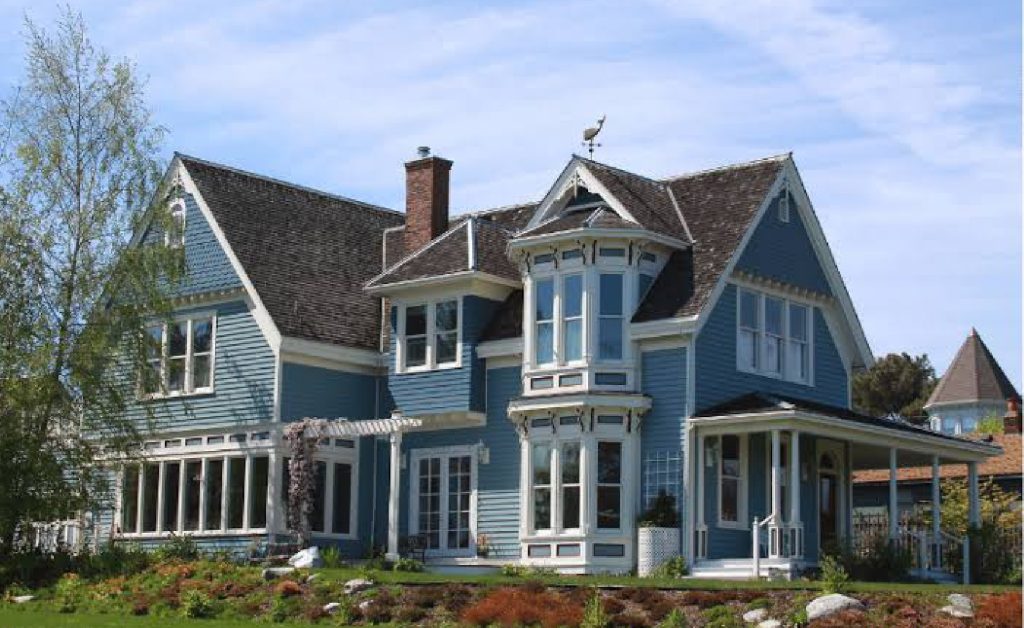
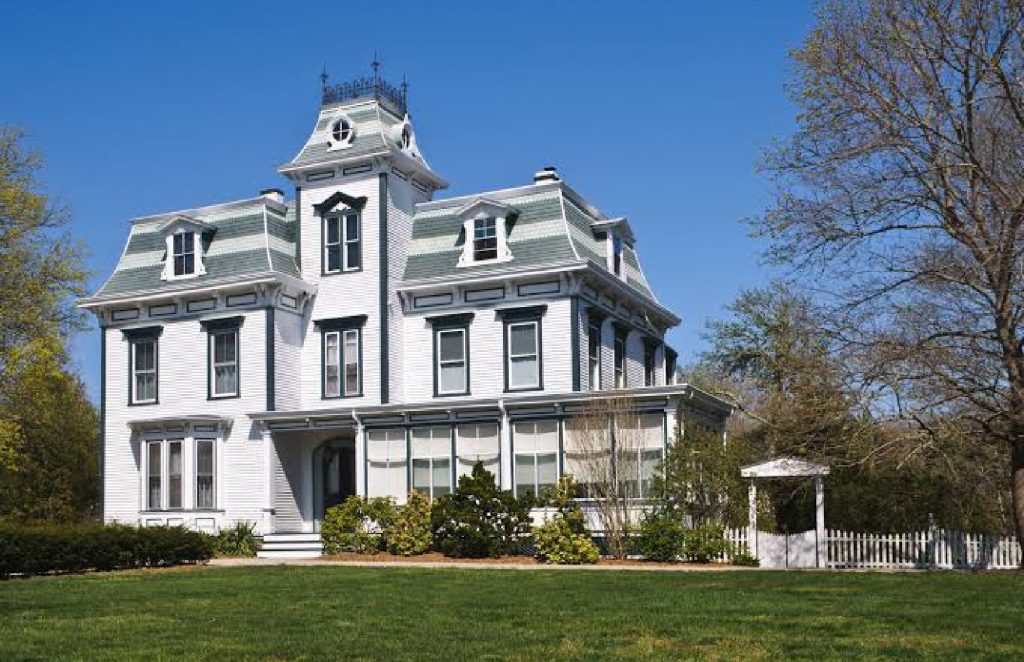
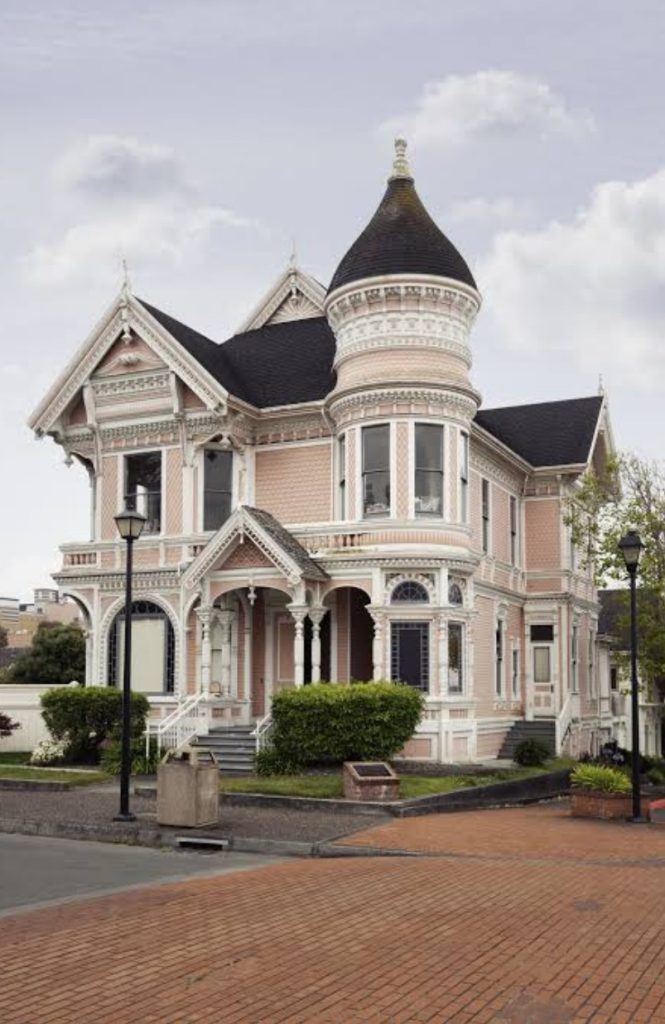
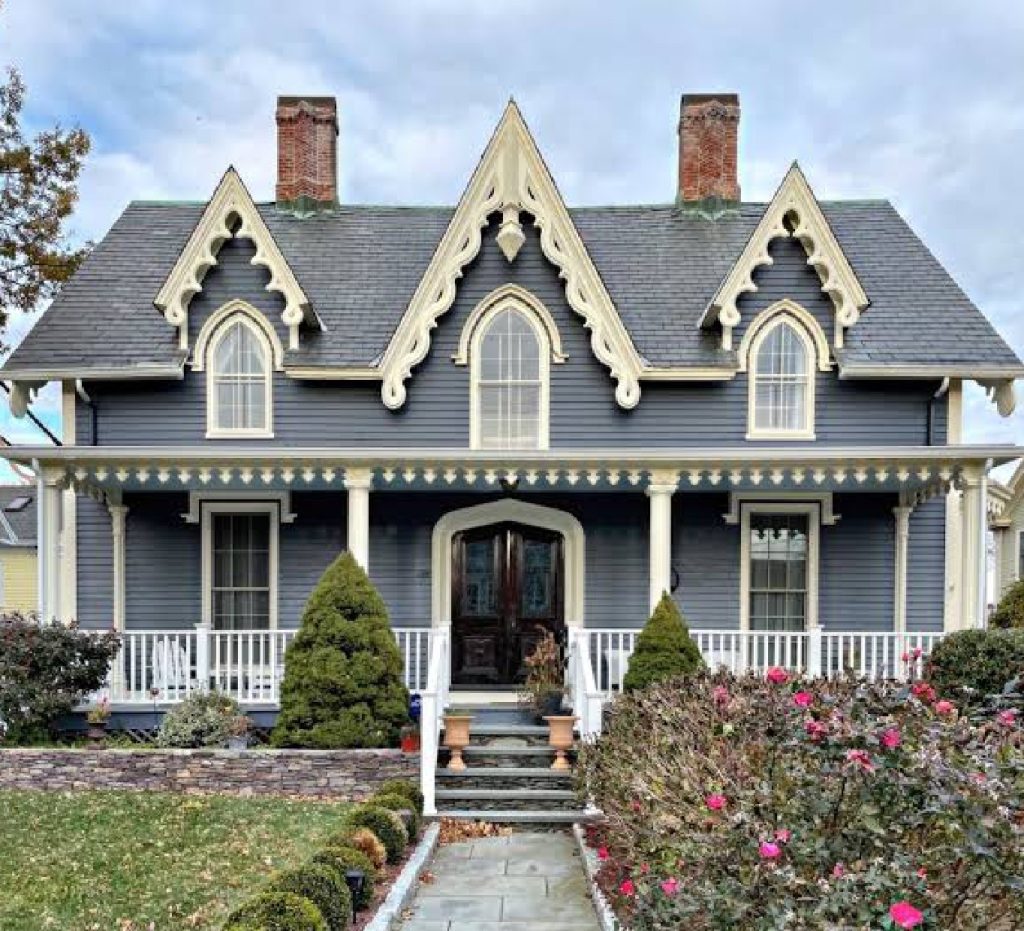
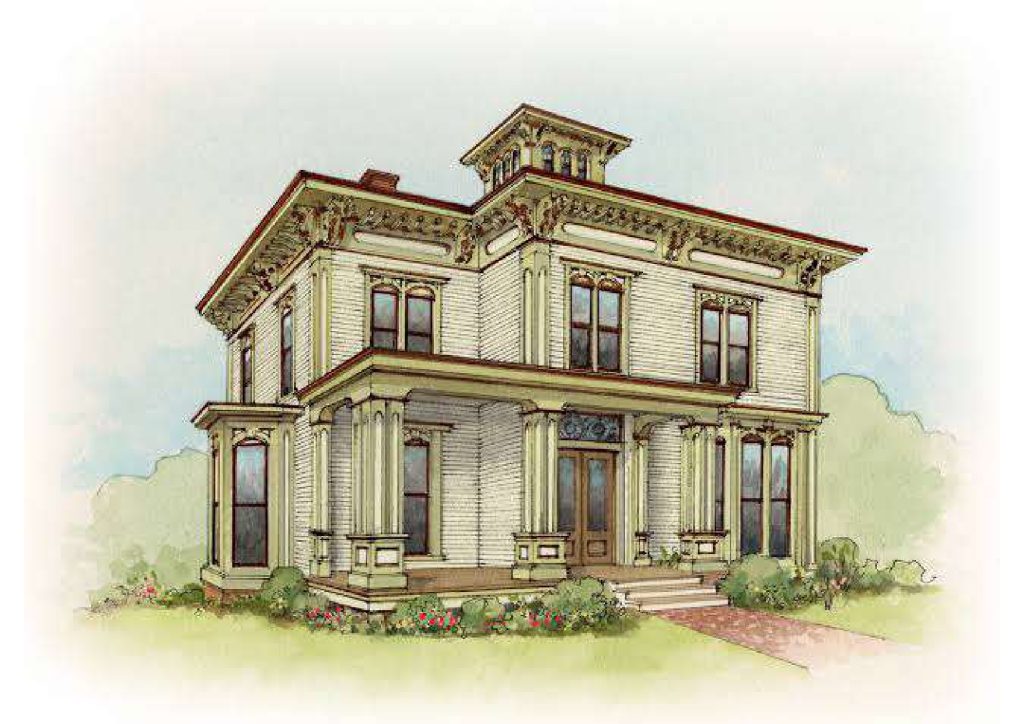
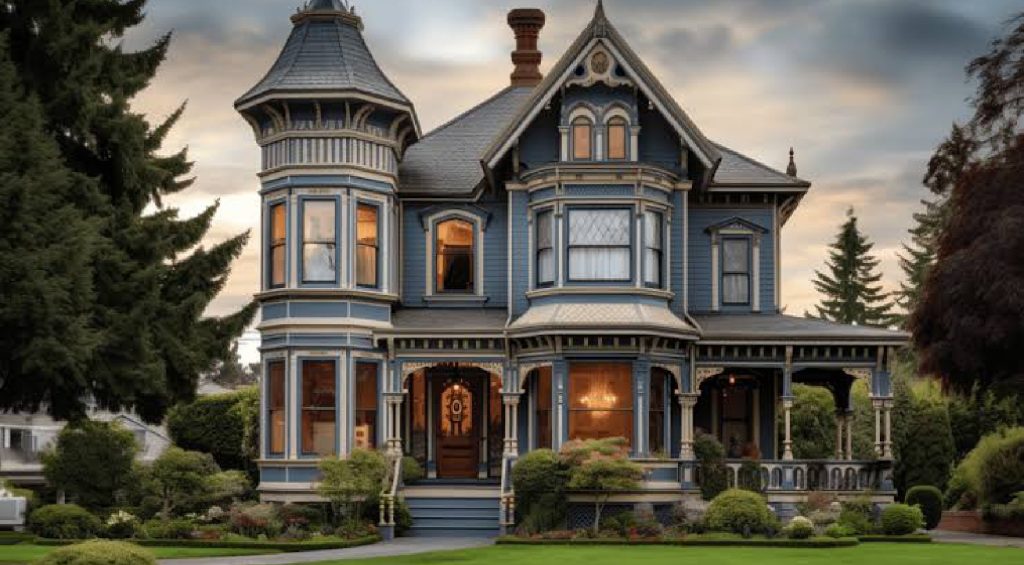
A Victorian style house refers to a type of residential architecture that originated during the reign of Queen Victoria (1837-1901) in England. It is characterized by its eclectic and ornate design, often featuring a mix of different styles such as Gothic Revival, Italianate, Second Empire, Queen Anne, and Folk Victorian.
CHARACTERISTICS
Design Victorian style houses are known for their complex and asymmetrical design, often featuring turrets, towers, and bay windows.
Materials Victorian style houses typicaly use a mix of materials such as brick, stone, wood, and slate.
Interior The interior of a Victorian style house often features intricate moldings, ornate plasterwork, and stained glass windows.
Evolution Victorian style houses evolved over time, influenced by various architectural styles and social changes. The style was popularized in the United States during the mid-to-late 19th century.
FEATURES OF VICTORIAN STYLE HOUSE
EXTERIOR FEATURES
1.Asymmetrical design 2.Turrets and towers 3.Bay windows 4.Ornate trim and moldings 5.Patterned brick or stone exterior
INTERIOR FEATURES
1.Intricate moldings and plasterwork 2.Stained glass windows 3.Ornate fireplaces 4.Hardwood floors 5.Decorative woodwork
ADVANTAGE OF VICTORIAN STYLE HOUSE
Victorian style houses are highly prized for their unique character and historic charm.
Many have been restored and preserved as private residences, bed and breakfast inns, and museums.
Others have been adapted for modern use as offices, restaurants, and retail spaces.
Additionaly, Victorian style houses are popular among homeowners who value their historic significance and aesthetic appeal.
With their intricate details and ornate features, Victorian style houses continue to be a beloved and iconic part of architectural heritage.
French style house
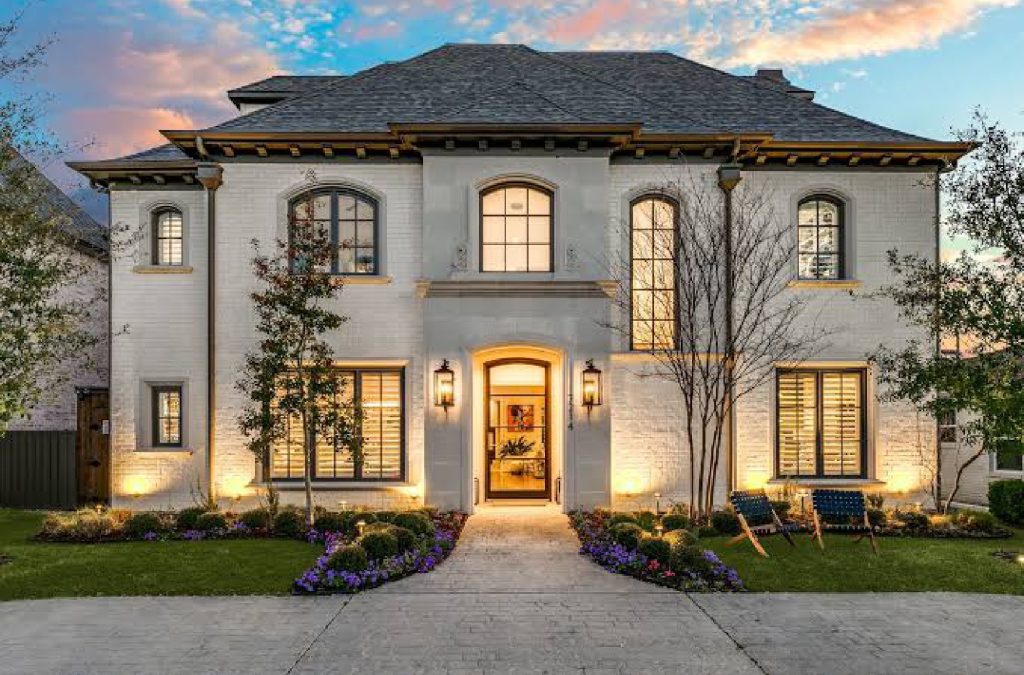
A French-style house is a type of residential architecture that originated in France and is characterized by its elegant and sophisticated design, often featuring steeply pitched roofs, ornate details, and a sense of luxury.
CHARACTERISTICS
Design French-style houses are known for their elegant and sophisticated design, often featuring steeply pitched roofs, dormer windows, and a sense of symmetry.
Materials French-style houses often feature high-quality materials, such as stone, brick, and slate, which provide a sense of luxury and sophistication.
Interior The interior of French-style houses is often characterized by high ceilings, ornate moldings, and large windows, which provide plenty of natural light.
Evolution French-style houses have a rich history that dates back to the Middle Ages, with various architectural styles influencing their design over time.
FEATURES OF FRENCH STYLE HOUSE
EXTERIOR FEATURES
1.Steeply pitched roof 2.Dormer windows 3.Ornate details 4.Stone or brick exterior 5.Decorative shutters
INTERIOR FEATURES
1.Intricate moldings and ornate details 2.Luxurious finishes such as marble and hardwood 3.Large windows and doors 4.Elegant staircases
ADVANTAGE OF FRENCH STYLE HOUSE
French-style houses are used as luxury residences, offering a sense of elegance and sophistication.
They are also preserved as historic homes, showcasing their rich architectural heritage.
Additiona ly, many French-style houses are converted into charming bed and breakfast inns, boutique hotels, and event venues, providing a unique and memorable experience for guests.
French-style houses are popular among homeowners who value their historic charm and aesthetic appeal.
TESTIMONIALS
Excellent service provided and timely manner!!
Raju
Thanks for the great customer service and the quick response over the weekend even when it wasn't an emergency. You guys always go above and beyond to make sure the job is done right.
Prabhu
It was nice to have someone that was not trying to take advantage of me. I wish to thank you for having employees that care for people as well as the unit.